What Is a Case Goods Package in Hotel Rooms? Defining Beds, Wardrobes, Desks and Nightstands
Hotel case goods are the hard-surfaced, wooden furniture pieces in a guest room, such as wardrobes, desks and nightstands. This guide explains the term, how it differs from soft goods and loose furniture, and what a typical package contains.
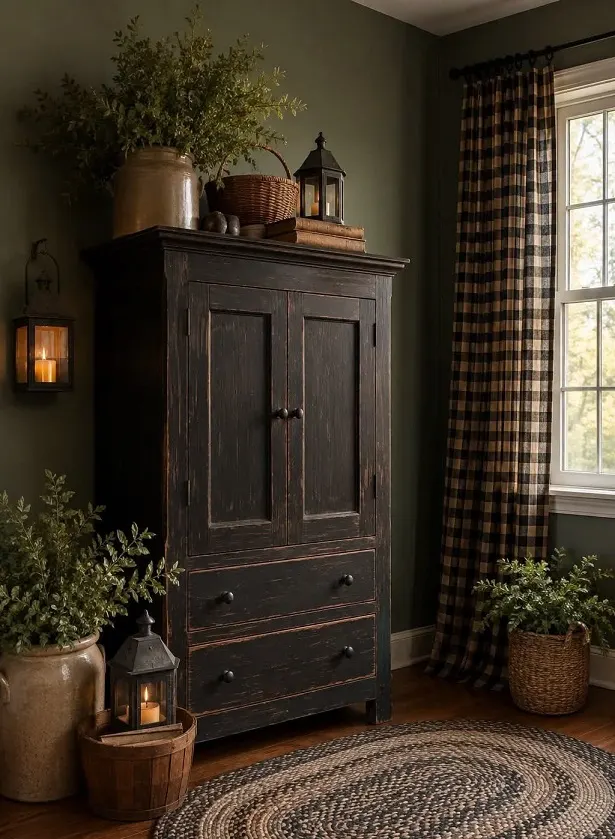
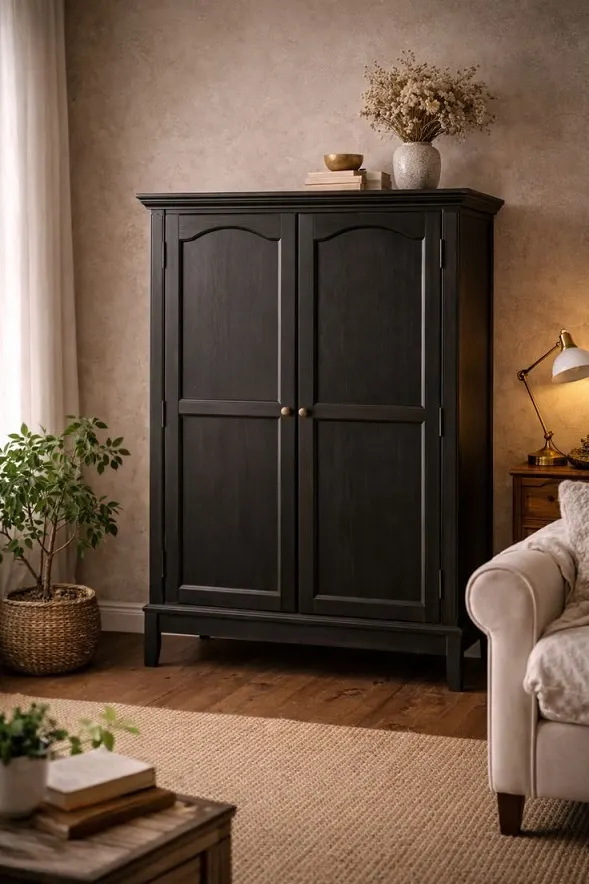
Hotel case goods are the hard, box-like furniture pieces in a guest room: wardrobes, desks, nightstands, dressers, headboard panels and similar items built mainly from wood-based boards, veneer, laminate or solid timber. If you are new to hospitality procurement, the term can be confusing, because it sits alongside several other labels that overlap. This guide separates them clearly, so you can read a specification, a budget or a quotation with confidence.
What does "case goods" mean?
The name comes from the furniture trade. A "case" is a cabinet-like body with an enclosed or framed structure, usually with doors, drawers or shelves. Anything built that way, and finished with a hard surface, is traditionally called a case good.
In a hotel, the term is used more broadly. Buyers and designers often use it for almost all the wooden items in a room, including pieces that are not strictly cabinets, such as a desk or a wooden bed frame. This is a practical convention, not a technical standard, so always check what a supplier includes when they use the word.
Case goods vs soft goods vs loose furniture
Hotel FF&E is usually split into three working groups. Understanding them helps you assign budgets and responsibilities correctly.
| Category | What it covers | Typical examples |
|---|---|---|
| Case goods | Hard, wood-based furniture, often made to drawings | Wardrobe, desk, nightstands, dresser, headboard panel, minibar cabinet, TV unit |
| Loose furniture | Movable pieces that are not part of the cabinet-style package | Armchairs, lounge chairs, side tables, ottomans, desk chairs |
| Soft goods | Textile and fibre items | Curtains, bedspreads, cushions, carpets, upholstery fabric |
Some items sit between groups. An upholstered headboard has a wooden frame but a fabric face, and a bed base may be wood, metal or both. Agree early which package each of these belongs to, since this decides who supplies it and who is responsible for coordinating it.
Where fixed joinery fits in
A further term you will meet is fixed joinery. This means items built into the room and attached to walls or floors, such as fitted wardrobes, wall panelling, bathroom vanity units or a built-in desk run. Many buyers treat fitted wardrobes as case goods, while some contracts place them under the fit-out contractor's joinery scope.
The distinction matters because it affects installation responsibility, site measurement and tolerances. Freestanding pieces can be placed after the room is finished. Fixed joinery has to be coordinated with walls, flooring, electrical points and ceilings.
A typical guest room case goods list
Every project is different, but a guest room case goods list often includes the following items:
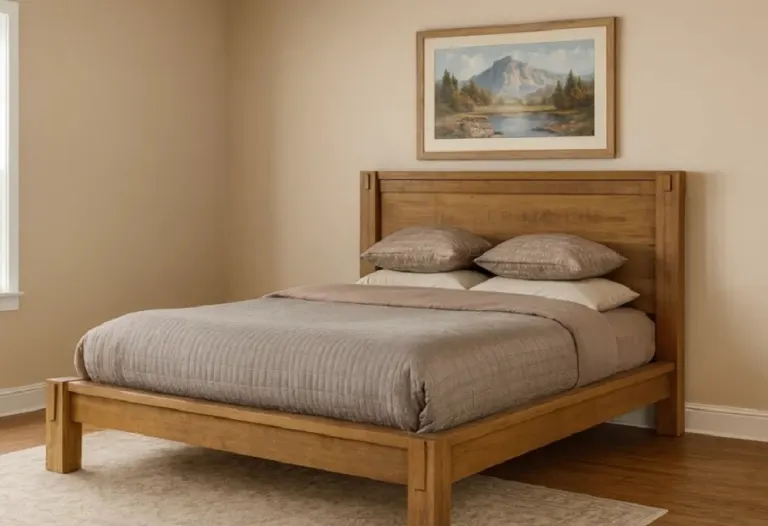
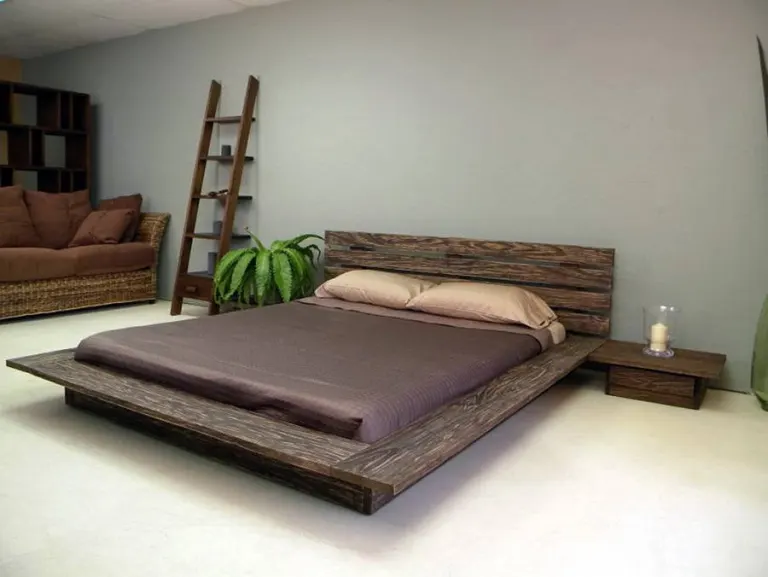
- Bed frame or base: the structure that supports the mattress, in platform, divan or slatted form.
- Headboard: wall-mounted, bed-attached or freestanding, in wood, panel or upholstered form.
- Nightstands: one or two bedside tables, freestanding or wall-hung, sometimes with power and USB points.
- Wardrobe: open rail, closed unit or fitted run, with shelves, drawers and sometimes a safe.
- Desk or writing table: a work surface, sometimes combined with a vanity or dressing function.
- Dresser or drawer chest: used where hanging space alone does not meet storage needs.
- Luggage bench or rack: a wooden bench or shelf unit that supports guests' bags.
- Minibar or coffee station cabinet: with attention to ventilation and power.
- TV unit or panel: a console or wall-mounted back panel.
- Mirror frames and wall panels: decorative or functional wooden elements.
Suites may add a sofa table, a dining table, a console, additional wardrobes or a dressing room. Compact rooms may combine functions, for example a desk that doubles as a dressing table.
How case goods relate to FF&E categories
FF&E stands for furniture, fixtures and equipment. It is the umbrella term for everything movable or installed that is not part of the building structure. Common FF&E categories in a hotel project include:
- Guest room case goods
- Loose and upholstered furniture
- Soft goods and window treatments
- Lighting fixtures and decorative items
- Public area and lobby furniture
- Restaurant and bar furniture
- Back-of-house and kitchen equipment
OS&E, meaning operating supplies and equipment, is separate. It covers consumable and operational items such as linens, glassware, cutlery and housekeeping carts. Mixing OS&E with FF&E in a budget is a common early mistake, because they are usually procured and depreciated differently.
Why the distinction matters for buyers
Case goods are usually made to project drawings, so they tend to have the longest lead time and the greatest influence on the room's character. Soft goods can often be ordered later, while loose furniture may come from catalogues. Separating them lets you plan the procurement sequence and the logistics more sensibly.
It also helps you compare quotations. If one supplier includes headboards and luggage benches and another does not, the total prices are not comparable until you align the scopes. A clear scope list, with item names, quantities and dimensions, avoids this problem.
What affects the cost and timing of a case goods package
We cannot give a meaningful figure without drawings, but the main factors are consistent across projects:
- Materials: board type, veneer or HPL surfaces, solid timber elements and fire-retardant requirements.
- Finish: lacquer, veneer, laminate or oil, and the number of colours.
- Hardware: hinges, drawer runners, handles and locks.
- Complexity: integrated lighting, power, curved or fluted details and metal accents.
- Quantity and number of room types: standardised parts reduce setup effort.
- Packing and shipping terms: destination, Incoterms and delivery sequence.
Lead time depends on the approval process, the materials selected and the size of the order, so it is best set against your construction programme rather than estimated in the abstract.
How to specify a case goods package clearly
A simple structure makes any enquiry easier to answer:
- List every room type and the number of rooms for each.
- List all items per room with approximate dimensions and quantities.
- State the intended materials and finishes, or attach reference images and samples.
- Note the fire and safety requirements of the destination market.
- Clarify what is fixed to the wall and who installs it.
- Say which pieces belong to the case goods scope and which to loose or soft goods.
With that information, a manufacturer can produce shop drawings, suggest standardisation where it saves cost and prepare a mock-up room for approval before mass production.
Working with Palmiye on case goods
Palmiye produces custom hotel furniture to project drawings in our own factory in Istanbul. We support projects with shop drawings, sample or mock-up rooms, production, export packing and shipping, and on-site installation where it is needed. We work with owners, designers and contractors in many regions, so we can plan shipping terms and documents around your destination.
Next step
If you are defining the scope of a guest room package, send us your room schedule or drawings. We will review the case goods list with you and come back with material suggestions, an estimated lead time and shipping options for your project.
Sıkça Sorulan Sorular
What are case goods in a hotel?
Case goods are the hard, wood-based furniture items in a hotel room, such as wardrobes, desks, nightstands, dressers and headboard panels. The name comes from cabinet-style construction. In hotel practice, the term often extends to bed frames and other wooden pieces made to project drawings.
What is the difference between case goods and soft goods?
Case goods are hard furniture made from boards, veneer, laminate or timber. Soft goods are textile items such as curtains, bedspreads, cushions and carpets. They are usually procured separately because their materials, suppliers and lead times differ.
Is a bed frame a case good?
Often yes, when it is made of wood or board and built to drawings. Some projects classify upholstered beds as soft goods or loose furniture instead. Confirm the classification in your scope so that nothing is missed or duplicated between suppliers.
Are fitted wardrobes case goods or fixed joinery?
They can be either, depending on the contract. Many buyers include them in the case goods package, while others place them under fixed joinery in the fit-out scope. Decide early, because it affects site measurement, installation responsibility and coordination with other trades.
What is usually in a guest room case goods list?
A typical list includes the bed base, headboard, nightstands, wardrobe, desk, luggage bench, minibar cabinet and TV unit. Suites may add a dresser, console or dining table. The exact list depends on room type, brand standards and the design concept.
Every hotel project is different. Send us your drawings or room schedule for a tailored proposal on materials, lead time and shipping.