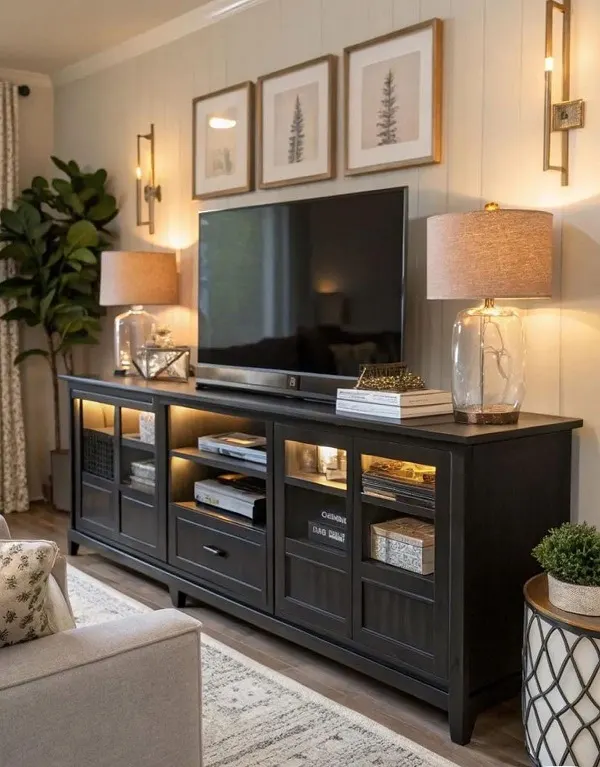
Timber Science, Customs Union Strategy, and Cross-Border Trade Mechanics for Turkish Solid Wood TV Units
Timber Science, Customs Union Strategy, and Cross-Border Trade Mechanics for Turkish Solid Wood TV Units defines the technical, regulatory, and commercial architecture powering Turkey’s emergence as a premier international manufacturing hub for solid hardwood living room furniture.
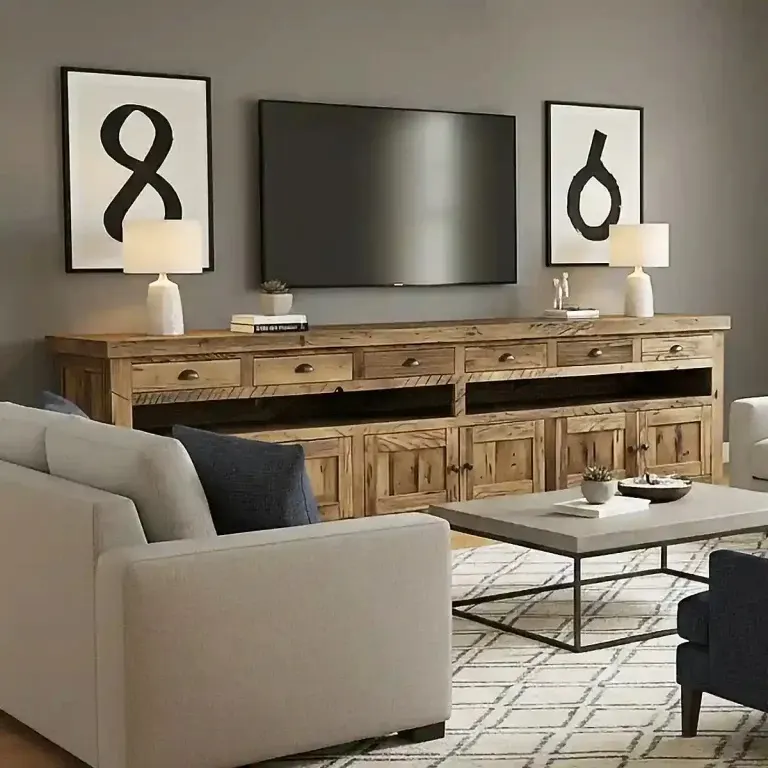
Spanning high-throughput industrial clusters in İnegöl, master cabinetmaking workshops in Ankara’s Siteler district, architectural contract fabricators in Istanbul, and port-centric consolidation terminals in İzmir, Turkey uniquely bridges generations of woodworking heritage with 5-axis CNC automation and tariff-free European market access. For European retail category directors, North American hospitality procurement teams, global hardwood merchants, and Turkish export executives, mastering Timber Science, Customs Union Strategy, and Cross-Border Trade Mechanics for Turkish Solid Wood TV Units unlocks superior landed margins, rapid inventory replenishment, and structural durability across contrasting global climates.
1. Macroeconomic Positioning of Turkey in the Global Solid Wood Furniture Market
International furniture procurement has structurally recalibrated toward regional nearshoring, supply chain transparency, and verifiable environmental governance. While mass-market flat-pack furniture fabricated from melamine-faced chipboard (MFC) or medium-density fiberboard (MDF) competes in hyper-commoditized price tiers, solid hardwood television units—encompassing cantilevered media credenzas, slatted acoustic entertainment consoles, and architectural lowboards—command a resilient, high-margin market segment. Commercial specifiers and discerning retail consumers increasingly prioritize authentic, repairable, low-emission solid oak, walnut, ash, and beech furniture engineered for multi-decade service life.
Turkey’s competitive leadership in Timber Science, Customs Union Strategy, and Cross-Border Trade Mechanics for Turkish Solid Wood TV Units rests upon four structural pillars:
1. Transit Velocity and Working Capital Efficiency: Positioned at the geographic crossroads of Europe, the Middle East, North Africa (MENA), and Central Asia, Turkish factories deliver full-truckload (FTL) overland shipments to Germany, France, the Benelux countries, Austria, and the United Kingdom within 4 to 8 transit days. By comparison, maritime container freight from Vietnam, Malaysia, or China requires 35 to 55 days, forcing importers to tie up substantial working capital in floating inventory and exposing retail assortments to seasonal stockouts.
2. Duty-Free European Market Access via the Customs Union: Under the EU–Turkey Customs Union decision, industrial goods—including solid wood furniture classified under Harmonized System (HS) heading 9403—enter all 27 EU member states at a 0% customs tariff rate when accompanied by an endorsed A.TR Movement Certificate. Crucially, this 0% tariff applies to finished TV units in free circulation within Turkey even when the raw hardwood lumber (such as North American Black Walnut or White Oak) was imported into Turkey prior to processing.
3. Flexible Batch Sizing and Mixed-Container Consolidation: Unlike East Asian mega-factories that enforce strict multi-container Minimum Order Quantities (MOQs) per SKU, Turkish manufacturers routinely execute mixed-container loads (combining solid wood TV units, dining tables, sideboards, and coffee tables), boutique retail capsule runs, and bespoke contract dimensions for luxury hotels.
4. Dense Tier-1 Component and Finishing Ecosystems: Global architectural hardware leaders (Blum, Hettich, Häfele, Grass) and industrial wood finish formulators (ICA, Renner, AkzoNobel, Rubio Monocoat, Osmo) operate direct regional distribution centers inside Turkey’s primary furniture zones, ensuring immediate access to European-engineered soft-close drawer systems and certified non-toxic coatings.
2. Industrial Geography: Mapping Turkey’s Specialized Woodworking Clusters
Executing Timber Science, Customs Union Strategy, and Cross-Border Trade Mechanics for Turkish Solid Wood TV Units requires matching design complexity, timber species, and order scale to the exact Turkish regional cluster engineered for that operational profile. Turkey’s woodworking sector operates through distinct, hyper-specialized industrial ecosystems.
Regional Cluster Core Manufacturing Specialization Machinery & Automation Profile Primary Timber Species Processed Optimal B2B Buyer & Project Profile
İnegöl (Bursa) High-efficiency series production, modular solid wood media consoles, OEM/ODM export lines High (5-axis CNC nesting centers, robotic sanding arms, pressurized UV spray booths) Anatolian Beech, European Oak, Ash, Pine National retail chains, omnichannel e-commerce brands, volume wholesalers
Siteler (Ankara) Artisanal hand-joinery, bespoke luxury TV credenzas, custom sizing, intricate detailing Low-to-Medium (Precision sliding table saws, spindle molders, master hand-finishing) Turkish Walnut, American Black Walnut, Iroko, Teak Luxury interior design studios, boutique hotels, flagship architectural showrooms
Istanbul (Masko, Modoko, İkitelli, Tuzla) Design-led contemporary units, mixed-material consoles (solid wood + marble, brass, fluted glass) Medium-to-High (Hybrid CNC woodworking paired with dedicated metal/stone/glass workshops) Walnut, Oak, Ash, Smoked Oak, Exotic Hardwoods International hospitality procurement groups, contract developers, luxury importers
İzmir & Aegean Basin Minimalist, coastal, and Nordic-inspired solid wood units; port-adjacent export consolidation Medium-to-High (Export-focused assembly and container stuffing terminals) Oak, Chestnut, Pine, Imported North American Hardwoods North American, UK, and Mediterranean maritime container importers
Bolu & Düzce Primary sawmill processing, computerized kiln drying, finger-jointed & full-stave laminated panels High (Automated drying kilns, high-frequency hydraulic panel presses) Anatolian Beech, Hornbeam, Fir, Pine, Oak Domestic furniture factories and international buyers of semi-finished panels
Kayseri Large-scale industrial furniture campuses integrating solid wood structural frames and accents Very High (Vertically integrated mass-production facilities) Beech, Pine, Oak High-volume regional distributors across MENA, Balkans, and Eastern Europe
Operational Contrast: İnegöl vs. Siteler
• İnegöl (The Industrial Export Engine): Located in Bursa province approximately 45 minutes from the Sea of Marmara ports of Gemlik, İnegöl functions as a self-contained furniture city. Sawmills, kiln-drying plants, tempered glass fabricators, electrostatic powder-coating workshops, and heavy-duty corrugated carton plants operate within a 15-kilometer radius. Factories in İnegöl excel at tight CNC machining tolerances (± 0.5 mm), repeatable batch uniformity, and rapid container turnaround.
• Siteler (The Artisanal Craftsmanship Epicenter): Spanning thousands of specialized workshops across Ankara, Siteler preserves generations of master cabinetmaking (marangozluk). Master artisans (ustalar) hand-select individual planks to achieve continuous grain-matching (book-matching and slip-matching) across consecutive drawer fronts and cabinet doors—a visual standard that automated mass-production lines cannot replicate.
3. Wood Science, Hygroscopic Engineering, and Structural Joinery
Solid wood is an anisotropic, hygroscopic cellular biomaterial. Because wood continuously exchanges moisture vapor with its surrounding atmosphere until reaching Equilibrium Moisture Content (EMC), improperly engineered solid wood furniture will cup, twist, split, or suffer catastrophic joint failure once placed inside climate-controlled homes. True mastery of Timber Science, Customs Union Strategy, and Cross-Border Trade Mechanics for Turkish Solid Wood TV Units depends on uncompromising wood science and mechanical engineering.
A. Commercial Hardwood Species & Mechanical Properties
Commercial Timber Name Botanical Classification Janka Hardness (lbf) Avg. Kiln-Dried Density (kg/m³) Dimensional Stability Rating Structural & Aesthetic Application in TV Units
Turkish Walnut Juglans regia ≈ 1,220 640 - 680 High Rich chocolate-brown heartwood with dramatic dark figuring; finishes to a deep, warm luster for luxury consoles.
American Black Walnut Juglans nigra ≈ 1,010 610 - 660 High Consistent purplish-brown heartwood; preferred by North American and EU luxury brands for uniform batch grading.
European / Anatolian Oak Quercus robur / Q. petraea 1,120 - 1,360 670 - 720 Medium-High Prominent open grain and medullary rays; ideal for wire-brushed, smoked, cerused, and natural hardwax oil finishes.
Anatolian Beech Fagus orientalis ≈ 1,300 680 - 720 Low-Medium (Requires strict kiln conditioning) Fine, uniform cream-to-pinkish grain; absorbs stains evenly to replicate walnut or teak at accessible price tiers.
European Ash Fraxinus excelsior ≈ 1,320 670 - 710 Medium Bold cathedral grain patterns and high elasticity; dominant species for Japandi and Scandinavian slatted TV units.
Iroko Milicia excelsa ≈ 1,260 640 - 670 Very High Golden-to-rich brown tropical hardwood with high natural oil content; impervious to humidity swings in coastal villas.
B. Computerized Kiln Drying & Moisture Content (MC) Calibration
Controlling timber moisture content prior to milling is the single most critical quality control variable in Timber Science, Customs Union Strategy, and Cross-Border Trade Mechanics for Turkish Solid Wood TV Units:
1. Climate-Specific Target Moisture Content:
• Heated/Air-Conditioned Interiors (Western Europe & North America): 8% - 10% MC.
• Arid Environments (Gulf Cooperation Council / Middle East): 7% - 9% MC.
• Humid Coastal Zones (Mediterranean / Tropical): 10% - 12% MC.
2. Stress Relief & Conditioning Cycles: Modern drying kilns in Düzce, Bolu, and İnegöl utilize computerized pin probes and steam-injection conditioning phases. Conditioning equalizes moisture gradients between the outer shell and inner core of thick lumber (40 mm - 50 mm stock), eliminating internal drying tension (case-hardening) so boards remain dead-flat when rip-sawn and planed.
3. Factory Floor Acclimatization: After exiting the kiln, lumber packs rest inside hygrometer-monitored factory staging halls for 7 to 14 days before entering CNC machining centers.
C. Anti-Warp Panel Construction & Cross-Grain Movement Engineering
A standard solid wood TV unit top measures 160 cm to 240 cm in length and 40 cm to 55 cm in depth. Across a 50 cm width, seasonal indoor relative humidity fluctuations (dropping from 65% RH in summer to 30% RH in winter) cause solid oak or beech to shrink or swell by 4 mm to 7 mm perpendicular to the wood grain. Leading Turkish factories prevent splitting and warping through four engineering mechanisms:
• Stave Width Optimization & Growth-Ring Alternation: Wide tabletops are laminated from rip-sawn staves measuring 60 mm to 90 mm wide. Technicians alternate the end-grain growth-ring orientation (bark-side up vs. bark-side down) across adjacent staves so tangential cupping forces neutralize one another.
• Full-Length Staves vs. Finger-Jointed Laminates: High-end export lines specify full-length continuous staves (unbroken planks running the full 200 cm span) for uninterrupted grain flow. Interior structural partitions and concealed bottom decks often utilize finger-jointed solid panels to maximize raw timber yield and longitudinal stability.
• Floating Top Expansion Fasteners: Solid wood tops are never rigidly glued across cross-grain base rails. Instead, engineers secure tops using slotted steel Z-clips, figure-eight tabletop fasteners, or elongated screw pockets, allowing the solid top to expand and contract freely across its width without cracking or tearing carcass joints.
• Recessed Steel C-Channel Stiffeners: On extra-long cantilevered media consoles (220 cm+), CNC routers mill channels into the underside of the solid top where heavy-gauge powder-coated steel C-channels are bolted via oversized slotted holes—guaranteeing longitudinal flatness while permitting lateral wood movement.
D. Functional Media Architecture & Acoustic Engineering
Modern solid wood TV consoles must safely support heavy large-format displays (35 - 65 kg) while housing heat-generating AV receivers, gaming consoles, and soundbars:
• Passive Thermal Convection Channels: CNC-routed ventilation slots in the bottom deck and upper rear rail establish natural chimney airflow, dissipating electronic heat without visible plastic vents.
• Concealed Cable Management Architecture: Integrated rear wiring troughs, brushed aluminum or solid brass grommets, and removable magnetic solid-wood back panels allow clean cable routing while keeping the rear view presentable for open-plan living spaces.
• Acoustically Transparent Slatted Doors: Precision-milled vertical solid wood slats (typically 15 mm slat width with 18 - 20 mm spacing) backed by acoustically transparent speaker fabric allow infrared (IR) remote control signals and soundbar audio frequencies to pass cleanly through closed cabinet doors.
• Dovetail Drawer & Soft-Close Hardware Integration: Drawer boxes constructed from 15 mm solid beech or Baltic birch plywood with English dovetail joinery mounted on concealed soft-close undermount runners rated for 30 - 40 kg dynamic loads.
E. Industrial Surface Finishing Systems
1. Two-Component Polyurethane (2K PU) Dead-Matte Lacquer: Applied inside pressurized, filtered spray booths (base sealer coat + orbital sanding + dual topcoats). Delivers superior resistance to heat rings, coffee spills, and abrasion while maintaining a natural 5 - 10 gloss dead-matte appearance.
2. Plant-Based Hardwax Oils (Rubio Monocoat / Osmo): Zero-VOC oil-and-wax formulations that form a molecular bond with surface wood fibers rather than creating a plastic film. Preserves the tactile open-grain feel of solid oak and walnut and allows effortless spot-repair by end users.
3. Water-Based Acrylic Polyurethanes: Engineered to meet strict European indoor air quality standards (EN 71-3 and French A+ VOC emissions) while preventing amber yellowing on pale European oak and ash.
4. Customs Union Strategy, EUDR Compliance, and Global Export Logistics
Executing Timber Science, Customs Union Strategy, and Cross-Border Trade Mechanics for Turkish Solid Wood TV Units requires rigorous customs documentation, environmental traceability, and drop-test-certified packaging.
A. Harmonized System (HS) Classification & Preferential Tariff Schedules
• Primary HS Code: 9403.60 (Other wooden furniture).
• 9403.60.10: Wooden furniture of a kind used in the dining room and the living room (Standard tariff subheading for solid wood TV units, credenzas, and media consoles).
• 9403.60.90: Other wooden furniture.
• Global Duty Advantages for Turkish Exports:
• European Union (27 Member States): 0% Import Duty via A.TR Movement Certificate.
• United Kingdom: 0% Import Duty under the UK–Turkey Free Trade Agreement (requires an Origin Declaration printed on the commercial invoice confirming Turkish rules of origin).
• EFTA Countries (Switzerland, Norway, Iceland, Liechtenstein) & Bilateral FTA Partners (South Korea, Malaysia, Singapore, Egypt, Morocco, Tunisia): Preferential or 0% duty upon presentation of an endorsed EUR.1 Movement Certificate or approved invoice declaration.
• United States & Canada: Imported under standard MFN schedules (9403.60.80 in the US HTS, generally 0% duty for wooden living room furniture), allowing North American buyers to diversify away from Section 301 tariffs without sacrificing craftsmanship.
B. European Union Deforestation Regulation (EUDR) Compliance
Under Regulation (EU) 2023/1115 (EUDR), wooden furniture classified under HS 9403 placed on the EU market must be verifiably deforestation-free (harvested after December 31, 2020) and legally logged:
• Mandatory Traceability Data from Turkish Exporters:
1. Exact scientific botanical names of all wood species present in the TV unit (including solid panels, drawer boxes, veneers, and plywood backings).
2. Country of harvest and exact geolocation polygon coordinates (latitude/longitude) of the forest plots where the timber was felled.
3. Harvest date range and official forestry cutting/transport permits (damga / nakliye tezkeresi issued by Turkey’s General Directorate of Forestry – Orman Genel Müdürlüğü, or equivalent foreign forestry documentation for imported timber).
• FSC & PEFC Chain-of-Custody Certification: Leading Turkish export factories hold active FSC (Forest Stewardship Council) or PEFC Chain-of-Custody certifications, maintaining segregated material tracking from kiln-dried timber intake through finished carton labeling.
C. Heavy-Duty Export Packaging Engineering
Because a 200 cm solid hardwood TV unit weighs 55 kg to 95 kg, packaging must withstand multi-stage transshipment and maritime humidity swings:
1. Outer Corrugated Carton: 5-ply or 7-ply double-wall kraft corrugated board (BC-flute, minimum ECT-44 burst strength), clearly marked with center-of-gravity symbols, fragile icons, and GS1/EAN barcodes.
2. High-Density Corner & Edge Cushioning: Expanded polystyrene (EPS) blocks (minimum 20 - 24 kg/m³ density) or molded honeycomb kraft corner guards providing at least 30 - 40 mm clearance between finished wood edges and the outer carton wall.
3. Moisture Vapor Barrier: Non-abrasive PE foam surface wrap enclosed inside a heat-sealed polyethylene (PE) bag containing calcium chloride or silica gel desiccant packs to eliminate condensation damage ("container rain") during ocean voyages.
4. ISPM-15 Phytosanitary Wood Packaging: All wooden pallet bases, perimeter crates, and internal container bracing timber must undergo certified heat treatment (56°C core temperature for 30+ minutes) and display the official IPPC wheat-stamp mark.
D. Freight Modes & Container Utilization
• Overland Mega-Trailer (Europe): 90 - 100 CBM internal volume (13.6 m length × 2.48 m width × 2.95 m height), transporting 85 to 150 TV units directly from factory dock in Bursa, Ankara, or Istanbul to European distribution hubs in 4 - 8 days.
• 40' High Cube (40' HC) Maritime Container: ≈ 67 - 68 CBM usable capacity, accommodating 55 to 110 units depending on whether units ship fully assembled or semi-knocked-down (SKD with detachable legs).
• Primary Export Seaports: Ambarlı (Istanbul), Gemlik Ports (Bursa – Gemport, Borusan, Rodaport), İzmir (Alsancak / Aliağa), and Mersin International Port.
5. Import Mechanics into Turkey: Raw Timber, Components, and Finished Furniture
A complete understanding of Timber Science, Customs Union Strategy, and Cross-Border Trade Mechanics for Turkish Solid Wood TV Units also encompasses inbound customs rules—both for Turkish factories importing specialty hardwoods and for foreign brands importing finished luxury units into Turkey.
A. Upstream Imports: Hardwood Lumber & Components for Production
Turkish factories regularly import kiln-dried American Black Walnut, American White Oak, Ukrainian/Romanian Oak, and West African Iroko to fulfill international design specifications:
• Phytosanitary & Agricultural Controls: Inbound lumber undergoes mandatory inspection at Turkish border customs by the Ministry of Agriculture and Forestry (Tarım ve Orman Bakanlığı), requiring an official Phytosanitary Certificate, Certificate of Origin, bark-free certification, and pest-free verification.
• Inward Processing Regime (Dahilde İşleme Rejimi – DİR): Turkish manufacturers holding an Inward Processing Authorization Certificate (DİİB) can import raw hardwood lumber, veneers, and European cabinet hardware 100% exempt from customs duties, Additional Customs Duty (İGV), and VAT, provided the finished TV units are exported within the approved permit period (6 - 12 months).
B. Importing Finished Solid Wood TV Units into Turkey
Importing finished wooden furniture (HS 9403.60) into Turkey for domestic retail sale involves protective trade measures designed to support domestic industry:
1. Customs Duty: 0% for EU-origin goods accompanied by an A.TR certificate or qualifying FTA partners; MFN tariffs apply to third countries.
2. Additional Customs Duty (İlave Gümrük Vergisi – İGV): A protective tariff surcharge (ranging from 15% to 50% depending on origin and current presidential decrees) applied to finished furniture originating outside the EU/FTA network (such as China, Vietnam, India, and the USA).
3. Value Added Tax (KDV): Standard 20% VAT calculated on the cumulative customs tax base (CIF value + Customs Duty + İGV + customs clearance incidentals).
4. Resource Utilization Support Fund (KKDF): A 6% levy applies when imports are financed on deferred credit terms rather than advance payment or confirmed Letter of Credit.
5. Turkish Consumer Protection Labeling: Retail units sold in Turkey must bear Turkish-language labels stating wood species, dimensions, country of origin, importer tax details, mandatory 2-year warranty coverage, and care instructions.
6. B2B Pricing Architecture & Landed Cost Structure
When budgeting for Timber Science, Customs Union Strategy, and Cross-Border Trade Mechanics for Turkish Solid Wood TV Units, FOB factory pricing scales predictably based on timber species, panel thickness, joinery complexity, and hardware specification.
Wholesale FOB Price Benchmarks (180 cm × 45 cm × 55 cm Solid Wood TV Console, 25 - 30 mm Top)
• Anatolian Beech (Stained Walnut/Oak Tone, 2K PU Matte Lacquer, Soft-Close Slides): $250 - $370 FOB
• European / Anatolian Oak (Natural Hardwax Oil or Dead-Matte Lacquer, Blum/Hettich Hardware): $360 - $540 FOB
• Turkish or American Black Walnut (Full-Length Staves, Dovetail Drawers, Fluted Fronts / Brass Base): $540 - $880+ FOB
Factory Cost Allocation Breakdown
1. Kiln-Dried Lumber & Conversion Waste (42% - 50%): Rough-sawn hardwood boards incur a 35% - 45% yield loss during edging, knot/sapwood defect removal, planing, and thickness calibration.
2. CNC Machining & Skilled Joinery Labor (20% - 25%): Rough milling, stave lamination, 5-axis CNC routing, progressive orbital sanding (120 → 180 → 240 → 320 grit), and carcass assembly.
3. Architectural Hardware & Accent Materials (10% - 15%): Concealed undermount slides, soft-close cup hinges, powder-coated steel or solid brass bases, tempered/fluted glass doors.
4. Surface Coatings & Export Packaging (15% - 20%): Primers, topcoats, spray booth curing energy, ECT-44 double-wall cartons, high-density EPS foam, PE moisture barriers, and ISPM-15 pallets.
7. Four-Stage Quality Assurance & Supplier Vetting Protocol
Institutional buyers mitigate production risk in Timber Science, Customs Union Strategy, and Cross-Border Trade Mechanics for Turkish Solid Wood TV Units through a structured four-gate verification system:
1. Gate 1 – Factory Technical & Legal Audit: Verify the manufacturer’s Industrial Registry Certificate (Sanayi Sicil Belgesi) and Chamber of Industry Capacity Report (Kapasite Raporu) to confirm direct production capability rather than trading intermediation. Inspect lumber yards with a calibrated pin-type moisture meter (8% - 10% MC verification) and audit pressurized spray booths.
2. Gate 2 – Golden Sample Engineering Sign-Off: Approve a physical pre-production prototype paired with 2D/3D CAD shop drawings and a locked Bill of Materials (BOM) specifying wood species, stave width, finish sheen, and hardware part numbers.
3. Gate 3 – During-Production Inspection (DUPRO at 25% - 30% Completion): Audit machined components prior to glue-up and spray finishing, verifying panel moisture readings, mortise/dowel tolerances, and timber color/grain matching.
4. Gate 4 – Pre-Shipment Inspection (PSI) & Container Loading Supervision (CLS): Verify overall dimensional tolerances (± 1.5 mm), uniform door/drawer reveal gaps (2.5 - 3.0 mm), flat-surface frame stability (zero racking), finish smoothness under oblique light, carton drop-test compliance, silica gel placement, and tight container loading.
8. Key Industry Exhibitions & Institutional Trade Bodies
Professionals advancing Timber Science, Customs Union Strategy, and Cross-Border Trade Mechanics for Turkish Solid Wood TV Units engage directly with Turkey’s core institutional ecosystem:
• IIFF – Istanbul Furniture Fair: Held annually each January across Tüyap Fair Convention and Congress Center and Istanbul Expo Center (İFM), bringing together hundreds of export-ready solid wood manufacturers.
• MODEF Expo (İnegöl): Held biannually in Bursa, allowing international buyers to evaluate new living room lines on the exhibition floor and conduct immediate factory audits minutes away.
• Exporters’ Associations & Federations:
• İİB (Istanbul Furniture, Paper and Forest Products Exporters’ Association)
• OAİB (Central Anatolian Exporters’ Association)
• MOSFED (Federation of Turkish Furniture Associations)
9. Frequently Asked Questions (FAQ)
What is the standard production lead time for solid wood TV unit orders in Turkey?
Standard OEM export orders require 30 to 45 calendar days from advance payment and CAD drawing approval. Custom ODM collections requiring new CNC jigs, custom metal base fabrication, and bespoke stain development typically require 45 to 60 calendar days.
How do Turkish manufacturers prevent solid wood TV units from warping or cracking during export?
Export-grade factories kiln-dry lumber to 8% - 10% moisture content, laminate tabletops from narrow growth-ring-alternated staves (60 - 90 mm wide), seal all six faces of every wooden panel to equalize moisture vapor exchange, and attach tops using slotted steel expansion fasteners rather than rigid glue blocks.
Can importers combine solid wood TV units with other furniture categories in one shipment?
Yes. Flexible mixed-SKU container and truck consolidation is a signature advantage of Turkish furniture exporters, enabling buyers to combine TV consoles, dining tables, sideboards, and coffee tables within a single 40' High Cube container or European mega-trailer.