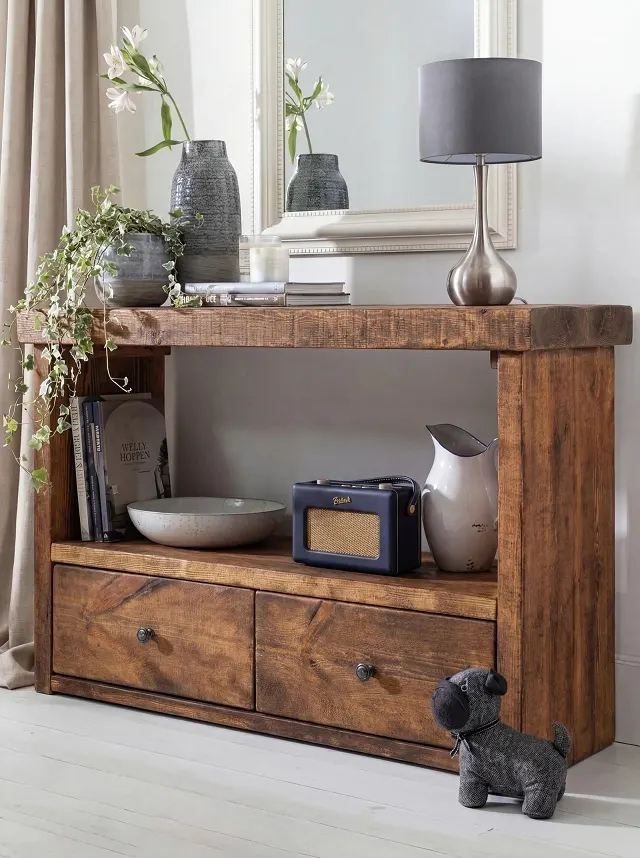
Sustainable and FSC-Certified Solid Wood Bathroom Cabinet Models: Ethical Forestry, Zero-VOC Finishing Chemistry, and Green Building Compliance (LEED & BREEAM)
Environmental sustainability has transitioned from a niche design preference into a mandatory procurement standard across residential construction, luxury hospitality, and international architectural specification.
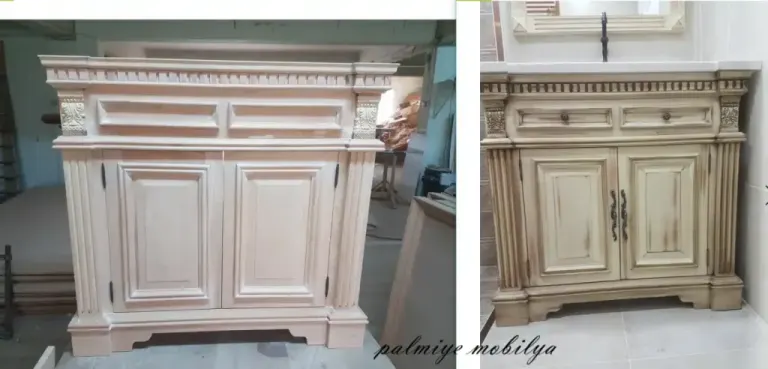
Sustainable and FSC-certified solid wood bathroom cabinet models enable architects, builders, and homeowners to achieve warm, organic timber interiors while verifying deforestation-free forestry, ultra-low indoor air emissions, and circular end-of-life recyclability. However, balancing strict green-building chemical limits—such as zero-formaldehyde resins and low-VOC coatings—with the extreme waterproofing demands of steam-saturated bathrooms requires advanced wood chemistry and certified supply-chain engineering.
This technical sustainability and architectural specification guide examines sustainable and FSC-certified solid wood bathroom cabinet models, detailing Forest Stewardship Council (FSC) and PEFC chain-of-custody classifications, formaldehyde-free structural adhesives, low-VOC waterborne two-component (2K) polyurethane coatings, reclaimed timber circularity, and LEED v4.1 / BREEAM credit compliance.
1. Forest Stewardship Council (FSC) and PEFC Chain-of-Custody Classifications
Specifying sustainable and FSC-certified solid wood bathroom cabinet models requires verifying exact certification labels on both raw timber invoices and the finished cabinetmaker’s Chain-of-Custody (CoC) certificate. Without unbroken CoC verification from forest concession to sawmill to joinery plant, environmental claims cannot pass green-building audits or EU Deforestation Regulation (EUDR) border checks.
Certification Label Timber Content Verification Standard Primary Architectural Application in Bathroom Cabinetry
FSC® 100% 100% of timber originates from independently audited, responsibly managed FSC-certified forests Solid hardwood doors, face frames, dovetail drawer boxes, and legs
FSC® Mix (70%+) Blend of FSC-certified virgin timber, controlled wood, and/or post-consumer reclaimed fiber Hybrid carcasses combining FSC hardwood fronts with certified birch plywood
FSC® Recycled 100% verified post-consumer or pre-consumer reclaimed architectural wood fiber Reclaimed barn-oak, salvaged chestnut, and heritage timber vanities
PEFC™ Certified Programme for the Endorsement of Forest Certification sustainable forestry standard European white oak, ash, and Nordic marine birch plywood substrates
Rapidly Renewable and Plantation-Grown Wet-Zone Hardwoods
To protect endangered old-growth tropical rainforests while preserving marine-grade wet-zone durability, sustainable and FSC-certified solid wood bathroom cabinet models prioritize:
1. FSC-Certified Plantation Teak (Tectona grandis): Harvested from managed 20-to-30-year rotation plantations in Costa Rica, Panama, Brazil, and Indonesia, delivering natural hydrophobic silica and oleoresins without depleting old-growth Burmese forests.
2. Thermally Modified Temperate Ash & Pine (ThermoWood): Locally harvested European or North American ash modified solely with heat (190°C–212°C) and steam—eliminating toxic chemical preservatives (such as chromated copper arsenate) while upgrading biological rot resistance to Class 1–2.
3. Reclaimed Architectural Hardwoods: Salvaged antique oak, chestnut, and heart pine recovered from dismantled agricultural structures and industrial warehouses, earning maximum circular-economy credits while offering superior old-growth dimensional stability.
2. Formaldehyde-Free Structural Adhesives and NAF/ULEF Carcass Substrates
Traditional engineered wood cabinets rely on urea-formaldehyde (UF) adhesives that continuously off-gas carcinogenic volatile organic compounds (VOCs) inside warm, humid bathrooms. Sustainable and FSC-certified solid wood bathroom cabinet models eliminate hazardous off-gassing through next-generation bio-based and cross-linking resin chemistry:
• NAF (No-Added-Formaldehyde) & ULEF (Ultra-Low-Emitting Formaldehyde) Plywood: When constructing hybrid marine-plywood carcass boxes behind solid wood fronts, green specifications mandate FSC-certified Baltic birch plywood bonded with soy-based bio-adhesives (such as PureBond) or phenol-formaldehyde (PF) exterior resins, meeting strict CARB Phase 2, EPA TSCA Title VI, and EU E05 (< 0.05 ppm) emission thresholds.
• Isocyanate-Free & Type-I Cross-Linking PVA Joinery Glues: Solid timber mortise-and-tenon joints and dovetail drawer boxes are assembled using zero-VOC, water-based ANSI/HPVA Type-I cross-linking polyvinyl acetate (PVA) adhesives that cure into waterproof structural bonds without solvent fumes.
3. Low-VOC Waterborne 2K Polyurethane and Bio-Based Hardwax Finishes
Historically, achieving marine-grade waterproofing on solid wood bathroom cabinet models required high-solvent aromatic polyurethanes or acid-catalyzed conversion varnishes containing high levels of VOCs and free formaldehyde. Advances in coating chemistry now allow sustainable and FSC-certified solid wood bathroom cabinet models to achieve full wet-zone chemical resistance within strict indoor air quality limits:
Waterborne Two-Component (2K) Aliphatic Polyurethane
• How It Works: Replaces petrochemical aromatic thinners with water as the primary carrier while utilizing a low-emission aliphatic isocyanate cross-linker.
• Performance & Air Quality: Once cured, waterborne 2K matte polyurethane delivers DIN 68861-1B chemical and wet-heat resistance—withstanding standing water, toothpaste alkalis, and cosmetic alcohols—while emitting < 50 g/L VOCs (compliant with California SCAQMD Rule 1113 and CDPH Standard Method v1.2).
Zero-VOC Cross-Linked Plant-Based Hardwax Oils
• How It Works: Formulated from purified linseed, sunflower, and jojoba oils blended with natural carnauba and candelilla waxes plus a zero-VOC molecular accelerator (such as Rubio Monocoat Oil Plus 2C).
• Circular Maintainability: Bonds molecularly with top wood cellulose fibers in a single coat without forming a plastic surface film, allowing homeowners to spot-repair scratches years later with zero sanding dust or finish stripping.
4. Green Building Rating Alignment: LEED v4.1, BREEAM, and WELL Building Standard
Specifying sustainable and FSC-certified solid wood bathroom cabinet models directly contributes measurable points across international green-building certification frameworks:
Green Building Framework Applicable Credit Category Technical Documentation Required from Cabinet Manufacturer
LEED v4.1 (BD+C / ID+C) MR Credit: Sourcing of Raw Materials & EQ Credit: Low-Emitting Materials Valid FSC® Chain-of-Custody invoice claim + CDPH v1.2 VOC emission test certificate
BREEAM International Mat 03: Responsible Sourcing of Construction Products & Hea 02: Indoor Air Quality FSC® or PEFC™ CoC certificate + EN 717-1 / ISO 16000 low-VOC test report
WELL Building Standard v2 Feature X06: VOC Restrictions & Feature M02: Nature and Place (Biophilic Design) Third-party GREENGUARD Gold or CDPH v1.2 compliance declaration + natural wood tactile integration
5. Circular Lifecycle Engineering and End-of-Life Disassembly
True sustainability extends beyond initial installation to long-term repairability and end-of-life material recovery. Sustainable and FSC-certified solid wood bathroom cabinet models are engineered for circularity:
1. 25-to-40-Year Refinishable Lifespan: Unlike melamine-faced particleboard vanities that must be landfilled once edges swell after 7–10 years, solid hardwood doors and carcasses can be lightly sanded and re-coated multiple times across decades, cutting annualized embodied carbon by over 60%.
2. Mechanical Fasteners Over Permanent Glued Assemblies: Modular carcass panels, concealed stainless steel hinges, and undermount drawer slides are joined with mechanical Euro-screws, cam locks, and threaded inserts—allowing damaged components to be replaced individually and enabling clean separation of solid wood, steel hardware, and natural stone countertops for recycling at end of life.