Furnishing Hotel Staff Accommodation: Beds, Lockers and Wardrobes for Dormitories
Staff housing needs furniture that is tough, easy to clean and economical to repeat across many rooms. This guide explains how to plan beds, lockers and wardrobes for hotel staff dormitories.
Good staff accommodation furniture is simple, robust and repeatable: bunk or single beds that carry daily use, lockers that keep belongings secure, and wardrobes sized for shared rooms. For resorts and large hotels, the aim is not luxury but durability at a controlled cost. This guide shows how to plan the furniture package for employee housing so it lasts through many seasons of heavy use.
Why staff housing deserves its own furniture brief
Many owners treat staff dormitories as an afterthought and reuse guest room specifications or buy the cheapest items available. Both approaches cause problems. Guest room joinery is often too expensive and too delicate for dormitory use, while very light domestic furniture tends to fail within a season.
Staff rooms are occupied for long periods, sometimes in shifts, and by several people sharing limited space. Furniture must handle frequent cleaning, luggage movement and rotation of residents. A dedicated brief lets you spend where it matters and save where it does not.
Start with the occupancy plan
Before choosing products, define how many people live in each room and how the rooms will be used. This determines bed type, storage volume and circulation space.
- Occupancy per room: two, four or six residents, with the number of rooms of each type.
- Resident profile: single-gender or mixed blocks, seasonal workers or long-term employees, and whether families are housed.
- Shift patterns: rooms shared by people who sleep at different times need good separation and low-noise hardware.
- Room dimensions: ceiling height, window and door positions, and any shared bathrooms nearby.
With this information a manufacturer can propose a standard module that repeats across floors, which is the most effective way to control cost.
Beds for employee housing
Beds are the largest item in any dormitory and the one most exposed to wear. The main options are single beds and bunk beds.
Single beds
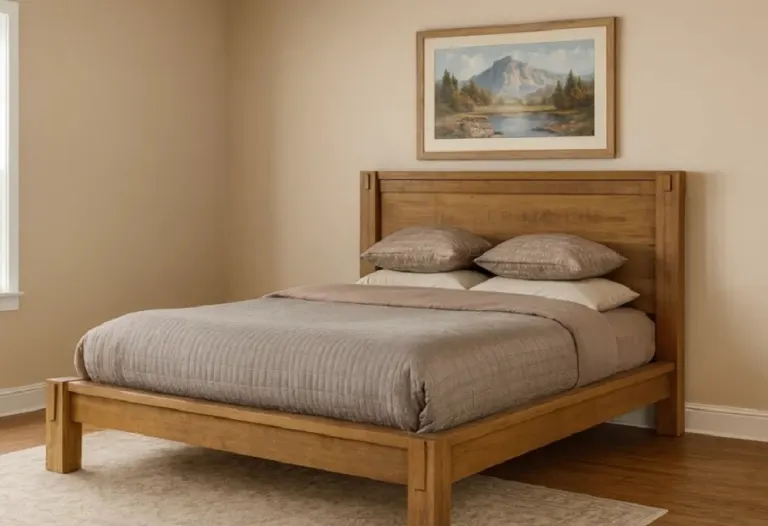
Single beds give residents more comfort and are easier to move, clean beneath and replace. They suit rooms for two people, supervisors or longer-stay staff. A common single mattress size is 90 x 200 cm (35.4 x 78.7 in), but confirm the mattress dimensions your housekeeping team already uses so frames and linen match.
Bunk beds
Bunk beds save floor area and are usually the logical choice for rooms of four or more. Pay attention to these points:
- Structure: a rigid frame, with metal or solid timber posts and reinforced joints, resists racking and noise.
- Safety: guard rails on the upper bunk and a secure ladder with comfortable steps.
- Headroom: check the clearance between the upper mattress and the ceiling, and between the lower bunk and the underside of the upper one.
- Mattress support: solid slats or a metal base that will not sag after months of use.
Ask for the frame to be tested against the loads your residents will realistically place on it, and request a sample before the full order. We cover this logic in more depth in our guide on bed frame strength for hotels.
Lockers and wardrobes: choosing the right storage
In shared rooms, storage is where privacy and security are won or lost. Residents need somewhere to hang uniforms and everyday clothes, and somewhere lockable for documents, phones and valuables.
| Storage type | Best for | Points to check |
|---|---|---|
| Single-compartment locker | Dormitories with four or more residents | Ventilation openings, lock type, base height for cleaning |
| Two-section locker (hanging and shelf) | Rooms where residents keep uniforms and personal items | Internal height for hanging, shelf load, hinge quality |
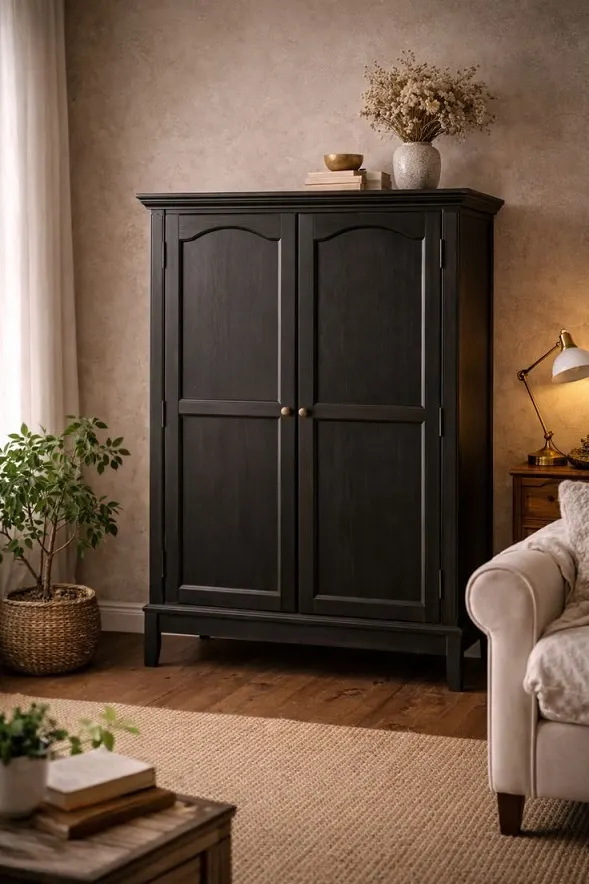
| Fitted wardrobe | Rooms for two people or supervisors | Door type, internal division per resident, plinth detail |
| Under-bed drawer or box | Extra storage for luggage and seasonal items | Runner quality, ease of cleaning, bed height |
A practical rule is to give each resident an equal, clearly separated storage unit. This avoids disputes and makes room allocation straightforward when staff change.
Locks and security
Decide early whether lockers will use keyed locks, padlock hasps or electronic locks. Keyed systems need a master key plan for housekeeping and management. Padlock hasps are cheap and flexible, but the metal around the hasp must be reinforced so it does not tear out of the panel.
Materials that survive dormitory use
The material choice depends on the climate, the cleaning regime and the budget. For the main storage and bed components, consider:
- HPL or high-quality laminate surfaces: resist scratches, moisture and cleaning agents better than painted finishes.
- Moisture-resistant boards: useful in humid coastal resorts, especially near shared bathrooms or laundry areas.
- Solid timber or steel for bed frames: structural parts take the heaviest loads.
- Metal lockers: an option where very easy cleaning is the priority, although timber-based units feel warmer and more domestic.
Finish edges with durable edging, ideally with rounded corners, since luggage and cleaning trolleys hit them daily. If you want a deeper comparison of board types, see our article on bedroom furniture materials for hotels.
Fire performance and local rules
Staff housing is often subject to building and fire regulations that differ from guest rooms. Check the requirements of the destination country before specifying boards, foam and fabrics. Where fire-retardant (FR) materials are required, they can affect both cost and lead time, so confirm this at the start rather than at the quotation stage.
Keep the design standard and repeatable
The most economical approach is to design one or two standard room modules and repeat them. This reduces drawing work, simplifies production and makes spare parts easier to manage.
- Use the same bed, locker and wardrobe dimensions across all rooms where possible.
- Choose a limited finish palette that hides marks and is easy to touch up.
- Specify standard hardware so replacements are simple to source.
- Label rooms and furniture sets so installation teams can work floor by floor.
Value is created by reducing variety, not by reducing quality. A modest, well-built piece repeated 200 times is cheaper to produce and maintain than many different designs.
Cost drivers to understand before you ask for a quote
We do not quote prices without drawings, because cost depends on the project. The main factors are:
- Number of beds, lockers and wardrobes and how many are identical.
- Board grade, surface material and edge detail.
- Hardware quality, including hinges, locks and bed fittings.
- Fire-retardant requirements and any special certifications.
- Packing method, shipping terms such as FOB, CIF or DAP, and whether on-site installation is needed.
Sharing your budget range openly helps us propose options that fit, such as simplified fronts or reduced internal fittings, without hurting durability.
Delivery, packing and installation
Staff housing is often built in remote resort areas or on the edge of a property, so logistics need planning. We supply customers worldwide from our factory in Istanbul, and we pack furniture by room or by block with clear labelling so that items reach the right building.
Discuss whether flat-pack or pre-assembled delivery suits your site. Flat-pack reduces shipping volume, which helps with large dormitory orders, while pre-assembled units save installation time. Where you need support on site, we can discuss installation arrangements for your project.
Plan for maintenance and replacement
Even robust furniture gets damaged in staff housing. Order a small percentage of spare parts such as locker doors, bed slats and hinges, and store them on site. Keep a record of finishes and board batches so future reorders match as closely as possible.
Next step
If you are planning staff accommodation for a resort or large hotel, send us your room layouts, occupancy numbers and any specification notes. We will review the project and come back with suggestions for beds, lockers and wardrobes, an estimated lead time and shipping options for your destination.
Sıkça Sorulan Sorular
What furniture does a hotel staff dormitory room need?
A typical room needs a bed for each resident, lockable storage such as a locker or wardrobe section per person, and often a small table, chair or shelf. Extra items like under-bed storage or coat hooks depend on room size and stay length.
Are bunk beds suitable for hotel staff housing?
Yes, bunk beds are common for rooms of four or more because they save floor space. Choose a rigid frame, upper-bunk guard rails, a secure ladder and solid mattress support, and check ceiling headroom before ordering.
Should staff lockers be metal or wood-based?
Both work. Metal lockers are very easy to clean, while HPL-faced or laminated timber-based units feel warmer and suit more residential rooms. The right choice depends on climate, budget, cleaning routine and the look you want.
Can Palmiye supply staff accommodation furniture overseas?
Yes. We manufacture in Istanbul and supply hotel projects worldwide. Shipping terms such as FOB, CIF or DAP, packing and delivery sequence are agreed per project, and installation support can be discussed if needed.
How can I keep dormitory furniture costs under control?
Standardise a few room modules, limit the finish palette, use durable but simple surfaces and avoid unnecessary decorative details. Sending drawings and a budget range early helps a manufacturer suggest practical savings.
Every hotel project is different. Send us your drawings or room schedule for a tailored proposal on materials, lead time and shipping.