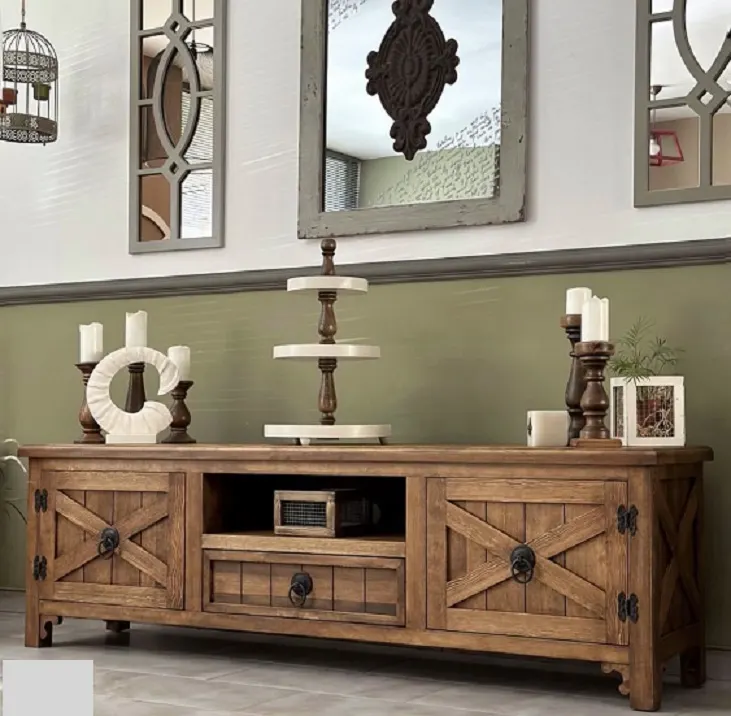
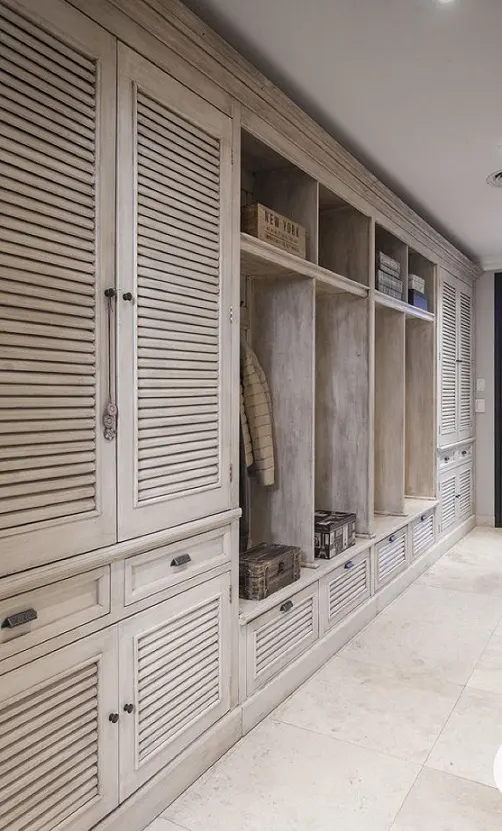
Solid Wood Bathroom Cabinet Models for Bosphorus Waterfront Mansions and Coastal Villas: Salt-Mist Microclimate Engineering, Heritage Joinery, and Humid-Zone Preservation
Designing wet-zone cabinetry for historic Bosphorus yalı mansions in Sarıyer, Bebek, and Kandilli—as well as contemporary cliffside villas along the Aegean and Mediterranean coastlines—requires specialized architectural joinery engineered for extreme maritime microclimates. Unlike inland apartments where indoor humidity is governed primarily by shower usage, solid wood bathroom cabinet models for Bosphorus waterfront mansions and coastal villas face relentless ambient moisture saturation, year-round salt-laden sea breezes, seasonal thermal differentials across thick stone walls, and strict historical preservation constraints.
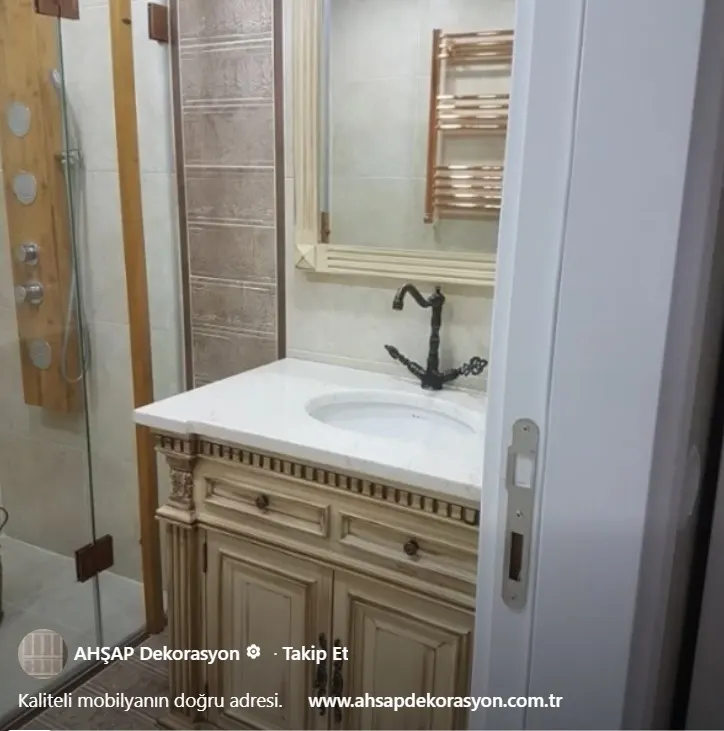
This comprehensive architectural and marine-millwork guide examines solid wood bathroom cabinet models for Bosphorus waterfront mansions and coastal villas, detailing salt-aerosol corrosion chemistry, coastal hardwood selection, historic masonry wall isolation, elastomeric marine polyurethane finishes, and balanced HVAC humidity recovery systems.
1. Coastal Microclimate Physics: Salt Aerosols, Masonry Condensation, and Thermal Swings
Waterfront residences situated within 500 meters of saltwater straits or open coastlines experience three distinct environmental stresses that rapidly degrade conventional indoor cabinetry:
1. Deliquescent Salt-Aerosol Deposition: Microscopic sodium-chloride and magnesium-chloride droplets carried inland by marine winds pass through open windows and ventilation intakes, settling onto cabinet surfaces and internal hinge mechanisms. Because sea salt is deliquescent, it absorbs water vapor directly from the air whenever relative humidity exceeds 75%—creating a permanent microscopic brine film that accelerates metal pitting and lifts poorly bonded wood finishes.
2. Historic Stone and Brick Wall Condensation: Traditional Bosphorus yalı residences and coastal stone villas feature thick, uninsulated load-bearing masonry walls. During cool autumn and winter mornings, warm steam from a shower condenses heavily on cold stone wall surfaces behind vanities. Any solid wood carcass bolted flush against unventilated masonry absorbs liquid condensation straight through its rear panel.
3. Extreme Seasonal Humidity Oscillation: Coastal climates swing from 85%–95% ambient relative humidity during humid summer nights down to 35%–40% during winter central heating cycles—forcing improperly dried timber to expand and contract violently across the grain.
2. Marine-Resilient Hardwood Selection for Waterfront Wet Zones
Specifying solid wood bathroom cabinet models for Bosphorus waterfront mansions and coastal villas requires dense, closed-vessel hardwoods rich in natural hydrophobic extractives or thermally stabilized at the cellular level:
Timber Species Regional & Sustainable Sourcing Coastal Wet-Zone Defense Mechanism Tangential Shrinkage Best Waterfront Architectural Application
Burmese & FSC Plantation Teak (Tectona grandis) Certified sustainable marine timber imports High natural oleoresin (tectoquinone) & up to 1.4% amorphous silica 4.7% Bosphorus wet-room spas, yacht-house en-suites, open console vanities
Anatolian Chestnut (Castanea sativa) Black Sea sustainable forestry (Kastamonu, Sinop) High natural hydrolysable tannins; EN 350 Class 2 fungal & rot resistance ~6.5% Heritage yalı restorations, wire-brushed coastal vanities
ThermoWood Ash (Fraxinus excelsior, 212°C) Turkish thermal-modification kilns (Bolu, Düzce) Hemicellulose wood sugars broken down via steam pyrolysis; <50% moisture uptake < 3.8% Modern cliffside villas, steam-adjacent fluted double vanities
Turkish Walnut (Juglans regia) Kahramanmaraş, Bursa, Tokat Dense heartwood figure; high machining stability at 6%–8% EMC ~7.2% Book-matched luxury master suites paired with Marmara marble
Rift-Sawn White Oak (Quercus alba) Black Sea & FSC European/US imports Tyloses-plugged closed vessels + perpendicular growth rings ~4.5% (rift cut) Contemporary minimalist waterfront residences
3. Structural Wall Isolation and Capillary Floor Barriers
Protecting solid wood bathroom cabinet models for Bosphorus waterfront mansions and coastal villas against cold-wall condensation and wet marble floors depends on physical separation gaps at every structural interface:
1. 20mm Ventilated Rear Wall Cavity: Never mount a solid wood vanity carcass flush against historic masonry or exterior coastal walls. Recess the 12mm BS 1088 marine-grade birch plywood back panel 20 millimeters inward from the rear side stiles, and incorporate concealed top and bottom ventilation slots so warm room air circulates behind the cabinet, evaporating wall condensation continuously.
2. 316L Molybdenum-Alloyed Marine Stainless Steel Hardware Only: Standard 304 stainless steel and nickel-plated hinges develop orange salt-air "tea-staining" and crevice corrosion within two years in Bosphorus and Aegean waterfront homes. Mandate 316L marine-grade stainless steel for all concealed soft-close hinges, full-extension undermount drawer runners, and cantilevered wall suspension brackets.
3. Epoxy End-Grain Encapsulation & HDPE Floor Glides: On freestanding period washstands resting over Marmara marble or hand-made terracotta floor tiles, dip the bottom 15 millimeters of every solid wood leg in low-viscosity two-part penetrating marine epoxy and mount 3mm high-density polyethylene (HDPE) glides underneath so floor-washing water never wicks into vertical wood fibers.
4. Elastomeric Two-Component (2K) Polyurethane Barrier Finishes
Rigid varnishes micro-crack under coastal thermal cycling, allowing salt mist to penetrate beneath the film and turn the wood gray. Solid wood bathroom cabinet models for Bosphorus waterfront mansions and coastal villas require flexible, six-sided chemical encapsulation:
• Three-Coat Aliphatic 2K Matte Polyurethane: Spray-apply three coats of elastic two-component aliphatic polyurethane (3%–8% dead-matte sheen) across all six faces of every door, drawer box, and carcass panel. Aliphatic cross-linkers resist UV yellowing from bright Bosphorus or Aegean sunlight streaming through waterfront windows while flexing microscopically with seasonal timber movement.
• Marine Epoxy Sink & Faucet Cutout Sealing: Coat the raw inner rim of every basin cutout and faucet drill hole with two layers of unthinned two-part marine epoxy before bedding honed Marmara White marble, Afyon Sugar marble, or Denizli vein-cut travertine slabs in non-staining neutral-cure sanitary silicone.
5. Paired Waterfront Stone & Metal Specifications
Harmonizing local Anatolian natural stone and living-finish metals completes solid wood bathroom cabinet models for Bosphorus waterfront mansions and coastal villas:
• Honed Marmara Linear Marble: Quarried directly from Marmara Island in the Sea of Marmara, this dense, low-porosity white-and-gray striped marble contains natural sulfur compounds historically prized in Ottoman hammams for natural antimicrobial hygiene.
• Unlacquered Naval Brass & Aged Bronze Fixtures: Rather than chrome plating that pits in salt air, specify solid unlacquered naval brass or oil-rubbed bronze faucets and cabinet pulls that develop a rich, self-protecting coastal patina over decades.
• Continuous Humidistat Exhaust & Dehumidification: Pair waterfront bathrooms with quiet ≤ 0.8 Sone DC-motor exhaust fans wired to automatic humidistat switches calibrated to engage whenever indoor relative humidity rises above 60% RH, keeping both historic timber joinery and modern luxury vanities stabilized year-round.