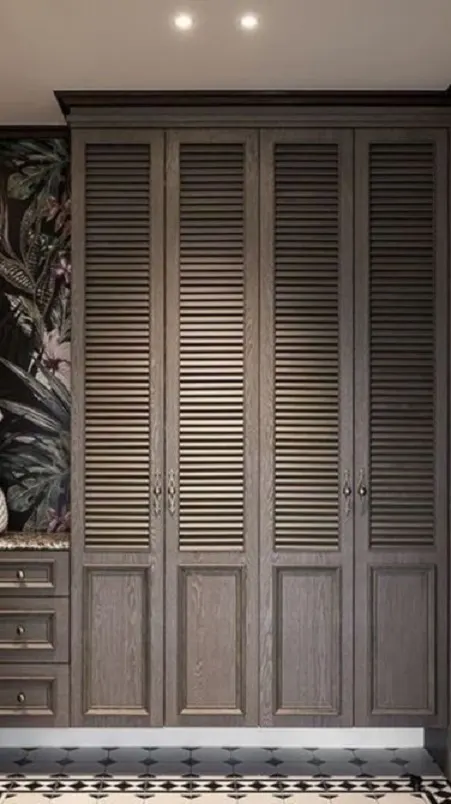
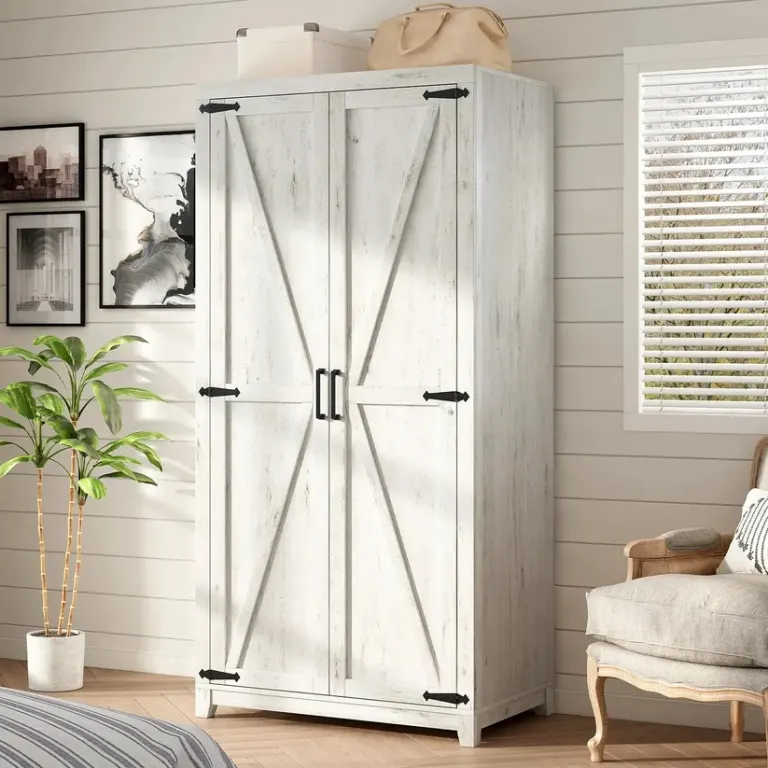
Robotic 5-Axis Milling Kinematics, E-Export Customs Invoicing, and Bosphorus Waterfront Fit-Out Governance for the Import and Export of Kitchen and Bathroom Cabinets in Turkey
Operational leadership in the import and export of kitchen and bathroom cabinets in Turkey requires harmonizing multi-axis CNC machining kinematics, automated e-export customs invoicing protocols, and specialized coastal construction governance.
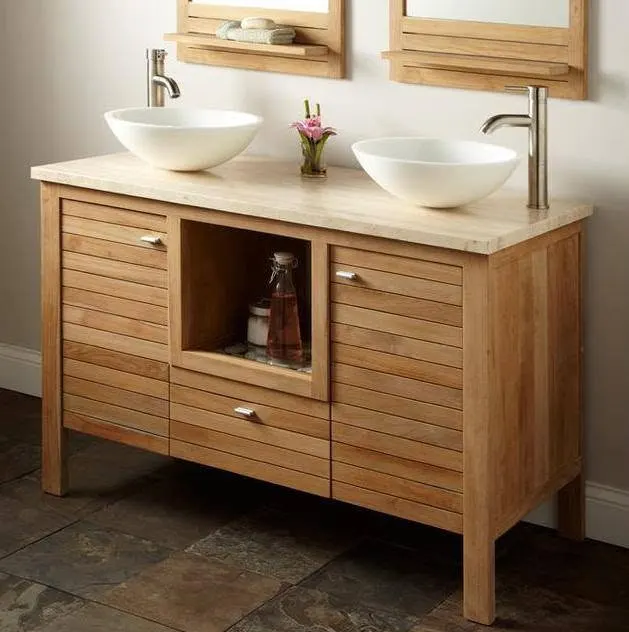
Positioned at the commercial intersection linking European retail distribution networks, transatlantic multi-family construction developers, and Istanbul’s premier Bosphorus waterfront real estate corridor—spanning Sarıyer, Tarabya, Yeniköy, and İstinye—Turkey’s cabinetry industry operates across vastly different technical scales and regulatory mandates. Export factories in Bursa-İnegöl, Kayseri, Ankara, and İzmir utilize 5-axis CNC machining centers to mill seamless ergonomic J-pull handles and compound architectural curves without secondary edgebanding, while Turkish architectural importers and luxury developers bring ultra-bespoke European culinary systems and weatherproof terrace kitchens into Northern Istanbul’s historic and contemporary Bosphorus estates.
Navigating the import and export of kitchen and bathroom cabinets in Turkey at an enterprise level leaves zero margin for tool-chatter marks on high-gloss lacquered profiles, rejected e-Export Invoices (e-İhracat Faturası) inside Turkey’s integrated GİB-Ministry of Trade customs gateway, or galvanic salt-air corrosion inside waterfront terrace culinary installations. When a Turkish exporter dispatches 30 containers of modular kitchens to Germany or the United States, transmitting an error-free GTB-integrated e-Export Invoice triggers instantaneous electronic customs clearance and Turkish Exporters’ Assembly (TİM) validation. Equally critical, enforcing diamond-tipped polycrystalline (PCD) cutter geometry on 5-axis CNC routers eliminates micro-tearing in high-density MDF cores prior to polyurethane or powder coating. This comprehensive technical manual examines 5-axis CNC milling kinematics, Turkish e-Export Invoice (e-İhracat Faturası) customs automation, outdoor pergola-integrated kitchen tariff rules, and Bosphorus luxury fit-out governance across the import and export of kitchen and bathroom cabinets in Turkey.
1. 5-Axis CNC Milling Kinematics & Polycrystalline Diamond (PCD) Tooling Engineering
In high-end contemporary cabinetry traded in the import and export of kitchen and bathroom cabinets in Turkey, recessed J-pull handleless doors, chamfered 35-degree finger-grip bevels, and compound radiused island end-panels eliminate applied metal pulls. Achieving a mirror-smooth finish inside deep routed recesses without costly manual hand-sanding depends on 5-axis CNC machining kinematics and Polycrystalline Diamond (PCD) cutter engineering.
Precision Machining Protocols in Export-Grade Turkish Plants
1. 5-Axis Simultaneous Interpolation & Negative-Rake PCD Cutters:
• Leading Turkish cabinetry factories across Bursa-İnegöl, Istanbul, and İzmir deploy 5-axis gantry CNC machining centers (Homag Venture, Biesse Rover B FT, SCM Accord) equipped with liquid-cooled 15–20 kW electro-spindles operating at 18,000 to 24,000 RPM.
• To machine abrasive high-density MDF (780–850 kg/m³) and melamine-faced boards without fiber tear-out, factories specify shear-angle Polycrystalline Diamond (PCD) compression routers and custom-ground PCD profile form cutters. Unlike tungsten-carbide bits that dull after 800 linear meters and burn MDF fibers, PCD diamond tooling maintains razor-sharp shear geometry across 25,000+ linear meters, producing a burnished, low-porosity routed profile that reduces primer consumption by 25% to 30%.
2. Vacuum-Pod Workholding & Zero-Deflection Nesting:
• Thin 18mm–22mm cabinet doors warp slightly during deep pocket routing if internal board stresses release unevenly. Export-grade CNC cells utilize automated multi-zone matrix vacuum tables paired with two-pass roughing-and-finishing toolpaths (leaving a 0.3mm finishing allowance removed on the final high-speed climb-milling pass) to guarantee dimensional flatness within ±0.10mm over 2,400mm tall pantry doors.
2. Turkish e-Export Invoice (e-İhracat Faturası) & Exporters' Association (İhracatçı Birlikleri) Compliance
Every outbound shipment in the import and export of kitchen and bathroom cabinets in Turkey is governed by Turkey’s mandatory electronic invoicing and Exporters’ Association registration architecture—connecting the Turkish Revenue Administration (Gelir İdaresi Başkanlığı – GİB) directly with the Ministry of Trade’s BİLGE customs platform.
Step-by-Step Digital Export Compliance Workflow
Compliance Stage Governing Turkish Platform & Legal Rule Mandatory Data Fields & Technical Validation Consequences of Non-Compliance
1. Exporters' Association Membership & Kripto Approval TİM & Regional Exporters’ Associations (e.g., İİB Istanbul, OAİB Central Anatolia, UİB Uludağ). Exporter must hold active membership and electronically transmit the export invoice/declaration for Association Approval (Birlik Onayı) paying a nominal 0.05%–0.10% statutory fee. BİLGE customs system blocks registration of the export declaration (İhracat Beyannamesi) until electronic Association approval is recorded.
2. GTB-Integrated e-Export Invoice (e-İhracat Faturası) GİB e-Fatura Portal routed via Ministry of Trade (Gümrük ve Ticaret Bakanlığı – GTB) gateway. Must contain exact 12-digit G.T.İ.P. code, net/gross weights per SKU, package count/type (e.g., PK pallet, CT carton), Incoterms 2020, payment method, and foreign buyer tax/registration ID. Generates a 23-digit GTB Reference ID; any mismatch between e-Export Invoice weights/HS codes and the packing list stalls customs gate-in at Turkish ports.
3. Actual Export Closure (Fiili İhracat Kapanışı) VEDOP (Tax Office Automation Project) linked to BİLGE port exit confirmation. Triggered automatically once the container vessel sails from Ambarlı, Gemlik, İzmir, or Mersin (or truck crosses Kapıkule/Habur border). Officially establishes the 0% VAT export exemption date, FX repatriation window (180 days under Central Bank rules), and KDV İadesi refund eligibility.
Central Bank Export Proceeds Repatriation (İhracat Bedellerinin Yurda Getirilmesi)
• Under Turkish Central Bank (TCMB) capital-movement circulars, Turkish cabinet exporters must repatriate export proceeds into a Turkish bank account within 180 days of actual export (fiili ihraç)—subject to country-specific exemptions (e.g., exports to Iraq, Libya, and certain African/CIS jurisdictions enjoy 100% or 50% repatriation exemptions) and mandatory FX conversion rules (İBKB – İhracat Bedeli Kabul Belgesi).
3. Customs Classification of Outdoor Pergola-Integrated Kitchens & Modular Culinary Pods
As luxury residential and hospitality developments across the Mediterranean, Gulf Cooperation Council (GCC), and North America increasingly install bioclimatic aluminum pergola pavilions housing integrated outdoor kitchens, trade compliance teams in the import and export of kitchen and bathroom cabinets in Turkey must classify these multi-material structures accurately.
Separating Structural Shelters from Culinary Cabinetry
• Bioclimatic Motorized Aluminum Pergola Structure (HS 7610.90.90): Extruded aluminum posts, motorized louvered roof blades, and integrated LED/rain-sensor frames are classified as aluminum structures (Alüminyumdan inşaat ve aksamı) under HS 7610.90.90.
• All-Weather Outdoor Kitchen Cabinetry Modules (HS 9403.20.80 or 9403.70.00): Stainless-steel (AISI 316L) or powder-coated aluminum outdoor cabinet carcasses are classified under HS 9403.20.80 (Other metal furniture), while UV-stabilized HDPE/PVC polymer outdoor cabinets enter under HS 9403.70.00 (Furniture of plastics).
• Built-In Gas/Electric Grills, Teppanyaki Plates & Beverage Coolers: Invoiced separately under HS 7321.11 (gas cooking appliances), HS 8516.60 (electric grills/hobs), and HS 8418.50 (refrigerated beverage drawers). Itemizing each functional system prevents destination customs inspectors from assessing higher structural-aluminum or appliance duties across the entire cabinetry value.
4. Ultra-Prime Bosphorus Waterfront Fit-Out Governance (Sarıyer / Tarabya / Yeniköy / İstinye)
On the luxury inbound and architectural domestic front of the import and export of kitchen and bathroom cabinets in Turkey, ultra-prime residential developments along Northern Istanbul’s Bosphorus shoreline—including Sarıyer (Tarabya, Yeniköy, İstinye, Emirgan, Rumelihisarı)—present acute technical and logistical demands when integrating imported European culinary systems and custom Turkish architectural millwork.
Managing Waterfront Humidity, Foundation Settlement, and Private Marina Access
1. Micro-Differential Foundation Settlement Compensation:
• Waterfront villas and terraced hillside residences overlooking the Bosphorus frequently experience subtle seasonal structural micro-movements. Luxury kitchen islands and floor-to-ceiling tall pantry walls imported from Milan or Munich—or custom-built in Istanbul—are installed on heavy-duty self-leveling steel plinth cradles with ±15mm micro-adjustable telescopic feet and concealed 12mm architectural shadow-gap ceiling trims, preventing drywall cracking or binding pocket doors over time.
2. Marine-Barge & Restricted-Access Coastal Delivery:
• Where steep hillside streets or narrow Bosphorus waterfront alleys prohibit standard hydraulic box trucks from reaching private villa courtyards, specialized Istanbul luxury fit-out logistics teams execute controlled crane-hoist lifts over garden walls or private Bosphorus cargo-barge dockings using custom-engineered weather-sealed aluminum transport flight cases.
5. Frequently Asked Questions (5-Axis CNC Milling, e-Export Invoices & Outdoor Kitchen Tariffs)
Why do leading Turkish cabinet factories use Polycrystalline Diamond (PCD) tools on 5-axis CNC routers?
PCD diamond-tipped routers maintain razor-sharp cutting geometry across 25,000+ linear meters in abrasive high-density MDF—eliminating fiber tear-out inside routed J-pull handles and 3D profiles while reducing lacquer primer consumption by 25% to 30%.
What is a GTB-integrated e-Export Invoice (e-İhracat Faturası) in Turkey?
It is a mandatory electronic invoice issued through the Turkish Revenue Administration (GİB) portal that routes automatically to the Ministry of Trade (GTB) customs system—generating a 23-digit reference ID required to register export declarations, validate Exporters’ Association (İhracatçı Birliği) approval, and claim 0% VAT export refunds.
How are outdoor kitchen cabinets integrated into motorized aluminum pergolas classified for customs?
Customs invoices must separate the motorized aluminum pergola structure (HS 7610.90.90) from the metal or polymer outdoor kitchen cabinets (HS 9403.20.80 / 9403.70.00) and built-in grills or beverage coolers (HS 7321 / 8516 / 8418) to ensure accurate tariff application.
How are luxury imported kitchens protected against seasonal structural movement in Bosphorus waterfront villas?
Architectural installers mount tall cabinetry and islands on micro-adjustable steel plinth cradles with 12mm concealed ceiling shadow-gap trims, isolating precision joinery from minor building settlement and coastal humidity shifts.