Which Door Model Is Easiest to Repair in an Operating Hotel? Repairability by Design
Repairable hotel doors keep rooms in service because damage can be fixed in minutes or hours, not days. This guide compares common door designs by how easily your staff can repair them on site.
In a working hotel, every hour a room is out of order costs revenue. That is why repairable hotel doors are worth specifying at the design stage: the easiest door to repair is usually the one built so that common damage can be fixed by your own team in a single visit, without removing the leaf. As a rule, flat, smooth and uniformly finished models are the quickest to repair, while deeply profiled, book-matched or glazed designs take longer.
This article looks at door models through one lens only: how quickly and how cheaply they can be returned to service after damage. It does not repeat general model or finish comparisons, which you can find in our other guides.
What actually gets damaged on hotel doors
Before comparing models, it helps to know what housekeeping and maintenance teams really see. Damage is rarely dramatic; it is repetitive and local.
- Scuffs and scratches on the lower third of the leaf from trolleys, luggage and vacuum cleaners.
- Chipped edges and corners, especially on the lock side and bottom edge.
- Dents from impact, often at handle height or where a door meets a wall.
- Finish wear around handles, push areas and the leaf edge.
- Hardware looseness, such as sagging hinges or worn strike plates.
- Water or cleaning-chemical marks near bathroom doors.
A repairable design deals well with this list. A design that looks excellent in the render but cannot be touched up invisibly will cause repeated complaints from your engineering team.
The four repair levels to plan for
It is useful to classify repairs by how much effort and downtime they involve. Then you can ask of every door model: which level will most damage fall into?
Level 1: Housekeeping touch-up (minutes)
Cleaning marks, filling a small scratch with a marker or wax stick, or wiping off a scuff. The door stays on its hinges and the room is not affected.
Level 2: Maintenance repair in the room (an hour or two)
Filling and recolouring a chip, re-lacquering a small area, tightening or replacing hinges, adjusting a strike plate. The leaf stays hung.
Level 3: Component replacement (half a day)
Replacing a kick plate, a glazing bead, an insert panel or a seal. This needs a prepared spare part but no factory involvement beyond supply.
Level 4: Full leaf replacement (a day or more)
Taking the door off, fitting a spare leaf and re-hanging. This is only quick if the spare leaf was ordered with the same preparation for hinges, lock and seals.
The goal of design for repair is to push as much damage as possible down to Levels 1 and 2, and to make Level 3 and 4 simple when they cannot be avoided.
Comparing door models by repairability
The table below gives a general view. Results depend on the exact finish, core and edge detail, so treat it as a planning guide rather than a test result.
| Door model | Typical damage | On-site repair ease | Main limitation |
|---|---|---|---|
| Flush door, HPL or laminate face | Edge chips, surface scratches | Good for edges and minor marks; surface cannot be sanded | Deep surface damage usually means replacing the leaf |
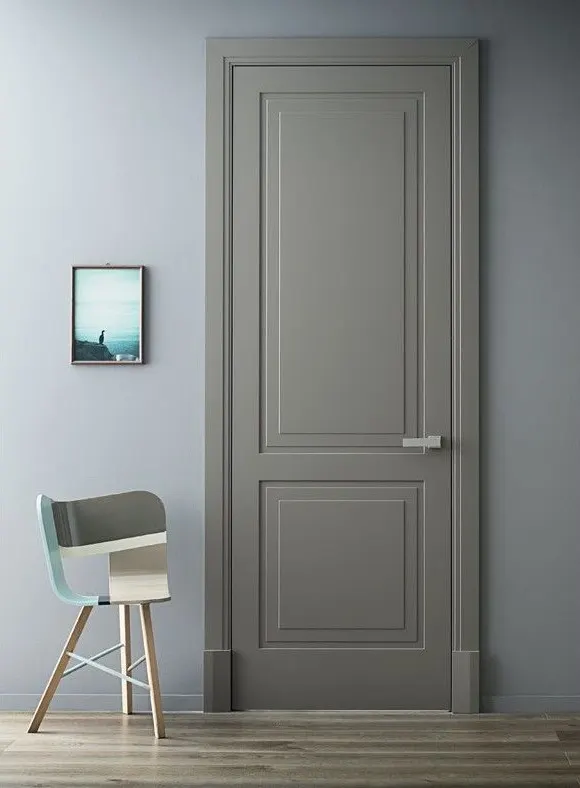
| Flush door, painted or lacquered | Scuffs, chips, dents | Very good; local filling and respraying or brushing is possible | Colour matching must be controlled |
| Flush door, veneered and lacquered | Scratches, edge wear | Moderate; small marks can be touched up, larger ones show | Grain and colour are hard to blend invisibly |
| Grooved or fluted door | Chips in groove edges, dust and wear in recesses | Moderate; repair inside grooves is fiddly | Finishing the groove walls needs skill |
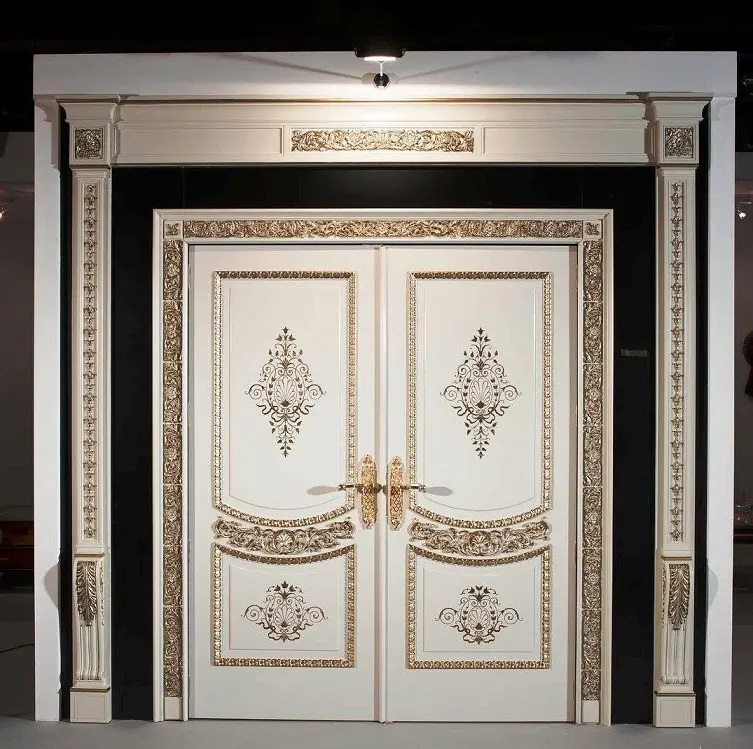
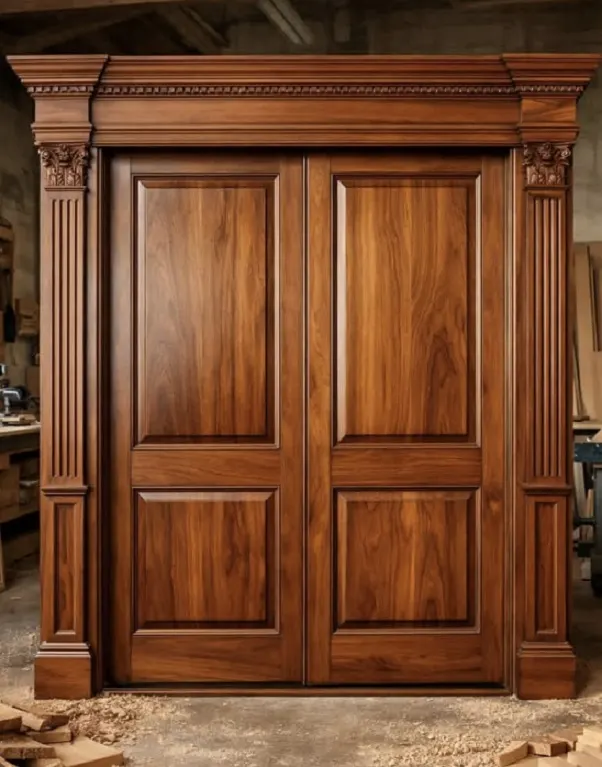
| Panelled or shaker-style door | Damage at joints and profile edges | Moderate to difficult; many edges to treat | Profiles multiply the number of repair points |
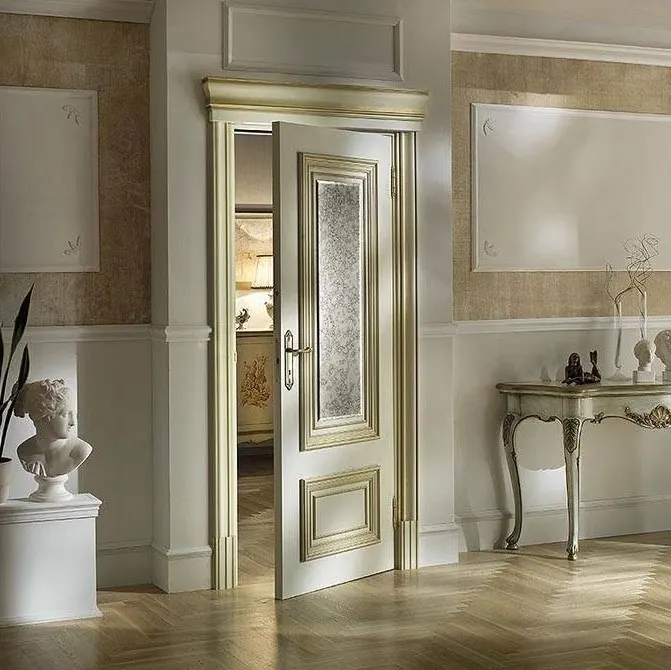
| Glazed door | Glass damage, bead loosening | Easy if glass is beaded and stocked; harder if glued | Spare glass must be kept on hand |
| Door with replaceable lower panel or kick plate | Trolley and luggage damage | Excellent; replace the panel only | Needs to be designed in from the start |
Why smooth painted or lacquered flush doors repair fastest
A plain flush leaf in a solid colour has no grain to match and few edges to treat. A maintenance technician can fill a dent, sand lightly, and apply touch-up paint or lacquer in one visit. This is why flush painted doors often suit corridors, staff areas and budget or midscale hotels where speed matters more than a natural wood look.
The condition is colour control. If you want to touch up easily years later, ask your supplier to record the finish system and colour reference, and supply a small amount of matching material at handover. Without that, even a simple repair can look patchy.
Veneer and natural wood: beautiful, but harder to hide a repair
Veneer doors are popular because they look warm and high quality. They can be repaired, but a visible scratch through the veneer layer or lacquer is difficult to blend without a trained finisher. Wax filler sticks and tinted lacquer pens help with small marks, yet large areas are better handled by replacing the leaf.
If you choose veneer for guest room entrances, plan for it. Order a small percentage of spare leaves with the main batch so that a damaged door can be swapped in a single visit, instead of waiting for a new production run.
Design details that make any door easier to repair
Often the difference between a fast and a slow repair is a detail, not the overall model.
Protect the vulnerable zones
A kick plate or a replaceable lower panel absorbs the most frequent damage. When the plate is scratched, you change the plate, not the door. Fitting options and materials are covered in our guide on kick plates and protection details.
Choose robust, sealed edges
Edges fail first. Well-bonded and sealed edge banding, or a solid timber edge where appropriate, resists chipping and moisture. A damaged edge on a poorly sealed leaf can swell and make repair far harder.
Keep profiles simple
Every groove, bevel or raised moulding is another place for paint to chip and for dirt to collect. If your brand needs texture, consider placing it above the typical impact zone and keeping the lower section plain.
Use beaded, not glued, glazing
Where glass is part of the design, removable beads allow a technician to replace a pane without scrapping the leaf. Safety glass and fire glazing have their own rules, so confirm them with your supplier before choosing a bead system.
Make hardware serviceable
Standard hinge sizes, accessible fixings and good preparation for locks mean a technician can replace a worn part quickly. Hinges that are correctly sized for the leaf weight also reduce sagging in the first place.
Ordering for repairability: what to specify
Repair speed is largely decided before the doors are produced. Consider adding the following to your specification and door schedule:
- A defined percentage of spare leaves per door type, prepared identically to the installed doors.
- Spare kick plates, glazing beads, seals and hardware parts.
- A written finish record: product type, colour reference and sheen level.
- Touch-up material or repair kits for maintenance teams.
- Clear labelling of spare leaves by door type and handing.
The right spare quantity depends on your hotel category, traffic and storage space, so we suggest agreeing it with your operator rather than applying a fixed number.
Matching repairability to hotel zones
You do not need to use the same repair-friendly approach everywhere. A practical split looks like this:
- Guest room entrances: balance appearance and repair. A lacquered or veneered flush door with a protected lower zone is a common compromise.
- Service corridors and back-of-house: choose the most robust and easily repainted option, such as a painted flush leaf with replaceable protection.
- Bathrooms: prioritise moisture-resistant cores and sealed edges, since swelling is the repair that is hardest to reverse.
- Suites and public areas: accept more complex designs, but hold spare leaves and keep a trained finisher or supplier contact available.
Think in terms of downtime, not only price
A cheaper door that needs a full leaf replacement after each impact may cost more over time than a slightly better specified one that can be touched up in the room. When you compare quotations, consider how many repairs you expect per year, how long each takes, and what a room-night is worth to you. For a broader view of ownership costs, see our guide on total cost of ownership.
Next step
If you are planning a new hotel or a renovation, send us your door schedule or drawings. We will suggest models and details that your maintenance team can repair quickly, and prepare a quotation that includes spare leaves and parts where you need them.
Sıkça Sorulan Sorular
Which hotel door type is easiest to repair?
A plain flush door with a painted or lacquered finish is usually the easiest. Scratches, chips and dents can be filled and touched up in the room without removing the leaf. Adding a replaceable kick plate or lower panel makes the most common trolley damage even quicker to fix.
Can veneered hotel doors be repaired on site?
Minor scratches and small chips can be treated with wax fillers and tinted lacquer. Larger damage is harder to hide because grain and colour must match. Many hotels keep spare veneered leaves so a damaged door can be swapped quickly instead of repaired.
How many spare doors should a hotel order?
There is no fixed number. It depends on hotel category, traffic, door types and storage space. Agree a percentage per door type with your operator and supplier, and make sure spare leaves are prepared exactly like the installed ones for hinges, locks and seals.
What information helps maintenance teams touch up doors later?
Ask your supplier for a written finish record covering the coating type, colour reference and sheen level. Supplying a small amount of matching touch-up material at handover also helps, because colour matching from memory is the most common reason repairs look patchy.
Do glazed doors cost more to maintain?
They can if the glass is glued in, because a broken pane may mean replacing the leaf. With removable beads and spare glass in stock, a pane can be replaced quickly. Safety and fire-glazing requirements apply, so confirm the details with your supplier.
Every hotel project is different. Send us your drawings or room schedule for a tailored proposal on materials, lead time and shipping.