What Does a Hotel Bedroom Furniture Sample Cost and How Long Does It Take? Prototype Planning for Overseas Buyers
A hotel furniture sample usually carries a fee because it is built by hand, to your drawings, outside the normal production line. This guide explains what drives that fee, how long samples take and how credit against the order is typically handled.
The hotel furniture sample cost is rarely a fixed catalogue price. It depends on what you ask the factory to build, which materials and hardware you specify, and how the sample reaches you. Most manufacturers, including Palmiye, charge a sample fee because a prototype is made by skilled staff outside the normal production flow, and many agree to credit part or all of that fee against a confirmed order.
Below you will find what drives the fee, how to estimate timing, how credit works and how to avoid paying for more samples than you need. We do not quote fixed prices here because they depend on your drawings, but the logic is the same on almost every project.
Why a sample costs more than a production unit
A production unit benefits from batch cutting, repeated machine set-ups and a trained line. A sample has none of that. The factory must prepare templates, set up machines for a single piece, source small quantities of board, veneer, fabric and hardware, and often adjust the design while building.
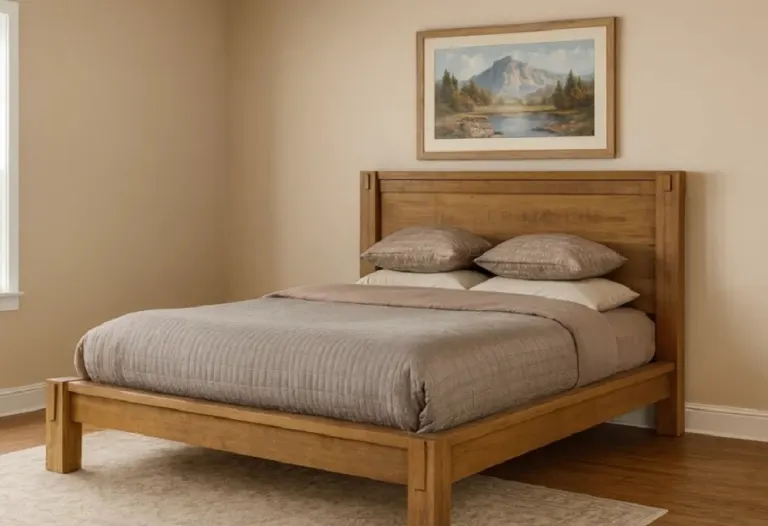
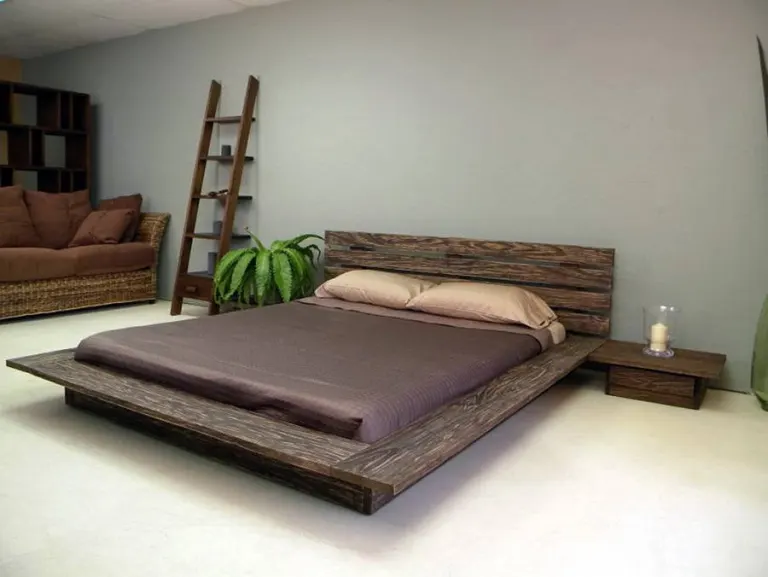
This is why a single prototype bedroom furniture piece can cost a multiple of its eventual unit price in a large order. That is normal, and it is not a sign that the final price will be high.
What drives hotel furniture sample cost
The main factors are listed below. Understanding them helps you compare quotes fairly.
- Scope: a single bedside table is far simpler than a full headboard, wardrobe and desk composition.
- Materials: real veneer, special lacquer, stone tops or imported fabrics add cost and sometimes waiting time.
- Complexity of detail: fluting, curved parts, metal inlays, integrated lighting and mirrors need more labour.
- Hardware and electrical items: soft-close hinges, runners, LED drivers and USB modules are bought in small quantities for samples.
- Finish matching: if you supply a colour reference, the finishing team may prepare several test panels before the sample is sprayed.
- Packing and shipping: an air or express shipment can cost more than the sample itself for bulky pieces.
Sample types and what each is for
Not every approval needs a full prototype. Choosing the right type keeps cost under control.
| Sample type | Purpose | Relative cost |
|---|---|---|
| Finish and material boards | Approve colour, grain, sheen and edge detail | Low |
| Detail or corner sample | Check joinery, edge banding, hardware and door gaps | Low to medium |
| Single-piece prototype | Approve proportions, build quality and comfort | Medium |
| Full mock-up room set | Approve the whole guest room composition together | Highest |
For many projects, finish boards plus one or two key prototype pieces answer most of the questions. A full set is worth it when the room will be repeated many times or when an operator brand must sign off.
Mock-up room cost: what to expect
The mock-up room cost is the sum of every piece in the set, plus any extra drawing work, plus packing and freight. It is therefore the most expensive sample route, but also the one that prevents the most expensive mistakes later.
If you are planning a 100-room hotel, an error found after production starts can affect every room. Compared with that, the fee for a mock-up set is usually a small part of the total furniture budget. For more detail on the process, see our guide on approving a guest room before mass production.
Sample lead time: realistic planning
We avoid quoting a single number because sample lead time varies by project. What we can say is how the time is divided, so you can plan your own programme.
- Drawing review and confirmation: the factory checks your drawings or concept and raises questions. Clear information here saves days.
- Material sourcing: standard boards and hardware are quick; special veneers, fabrics, stone or custom metalwork take longer.
- Building and finishing: lacquer and veneer finishes need drying and quality checks between coats.
- Internal inspection and photos: a good factory checks the piece and sends photos or a video before it leaves.
- Shipping and customs: this step depends on destination, carrier and paperwork, and it often takes as long as the build.
A useful habit is to ask for a short written schedule that separates build time from transport time. Then add your own review time, because comments from designers, owners and operators often take longer than expected.
Credit against the order: how it usually works
Many buyers ask whether the sample fee is lost money. In practice, the arrangement is normally agreed in writing before the sample starts. Common approaches are:
- the full sample fee is credited against the first confirmed production order;
- part of the fee is credited, covering materials but not labour;
- the fee is not credited if no order follows, which is why scope should be kept sensible.
The terms differ between factories and projects, so ask for them in the quotation rather than assuming. Also confirm whether shipping costs are included in any credit, since they usually are not.
How to keep sample cost and time under control
You can reduce both without lowering the quality of the approval.
- Send complete drawings: dimensions, material callouts and hardware references reduce questions and rebuilds.
- Approve finishes first: use finish boards before building a full prototype, so colour is not discovered at the last stage.
- Sample only what is new: if a part repeats across room types, sample it once.
- Plan one revision round: assume that comments will come, and tell the factory how you will consolidate them into a single list.
- Choose shipping sensibly: sea or road freight is slower but cheaper; express is faster but costly for large pieces. Decide based on your approval date, not on habit.
What to record when the sample arrives
Inspect the sample against the drawing, not against memory. Check dimensions, finish consistency, edge details, hardware action, door alignment and packing quality. Photograph everything and write your comments in one document, with marked-up drawings where possible.
That record becomes the reference for production. If a comment is not written down, it can easily be lost between approval and the first batch.
A word for overseas buyers
Buying from another country adds a few considerations: time zones, customs paperwork for samples and the cost of return or disposal. Ask in advance whether the sample is a commercial shipment or a no-commercial-value sample, and who handles import duties. We support buyers worldwide, so we are used to arranging video reviews that fit your working hours, which can replace some physical iterations.
Next step
If you are comparing factories, send us your drawings, room schedule or even a concept sketch. We will propose the most economical sample route for your project and give you a written estimate of sample fee, credit terms and timing, so you can plan with clear numbers rather than assumptions.
Sıkça Sorulan Sorular
Why do hotel furniture factories charge for samples?
A sample is built individually, outside the production line, with small material quantities and extra labour for set-up and finishing. The fee covers that work. Many factories agree to credit part or all of it against a confirmed order, but you should have the terms in writing.
How long does it take to make a hotel furniture sample?
It depends on the piece, the materials and the finish. Time is split between drawing review, material sourcing, building, finishing, inspection and shipping. Ask for a schedule that separates build time from transport time, and add your own review period.
Is the sample fee deducted from the final order?
Often yes, fully or partly, but it is not automatic. Credit terms vary by factory and project, so request them in the quotation before work starts. Also check whether freight and courier costs are included in the credit.
Do I need a full mock-up room or are single samples enough?
For small projects, finish boards and one or two key prototype pieces may be enough. A full mock-up room makes sense for larger or repeated room types, or when an operator needs to approve the complete composition.
Can I approve a sample remotely?
Video reviews and photo reports can help you check proportions, finish and details without travelling. For final approval of colour and build quality, a physical sample is still the most reliable reference.
Every hotel project is different. Send us your drawings or room schedule for a tailored proposal on materials, lead time and shipping.