Bedroom Furniture for Hotels in Scandinavia and the Nordics: Minimalist Specifications and Low-Emission Requirements
Hotel furniture for Nordic countries is judged on restraint, material honesty and indoor air quality. This guide explains how to specify pale timber finishes, clean detailing and low-emission boards for Scandinavian guest rooms.
Hotel furniture for Nordic countries has to do two things at once: look calm and understated, and meet some of the most demanding expectations in Europe for materials and indoor air quality. If you are specifying guest rooms in Denmark, Sweden, Norway, Finland or Iceland, the brief is usually less about ornament and more about proportion, finish quality and documentation.
This article looks at what Nordic design expectations mean in practice for bedroom joinery, how pale timber finishes are achieved, and which emission and compliance questions to settle before production starts. Palmiye manufactures to project drawings in Istanbul and exports worldwide, so we have written this from the perspective of a buyer working with an overseas factory.
What Nordic design expects from a hotel bedroom
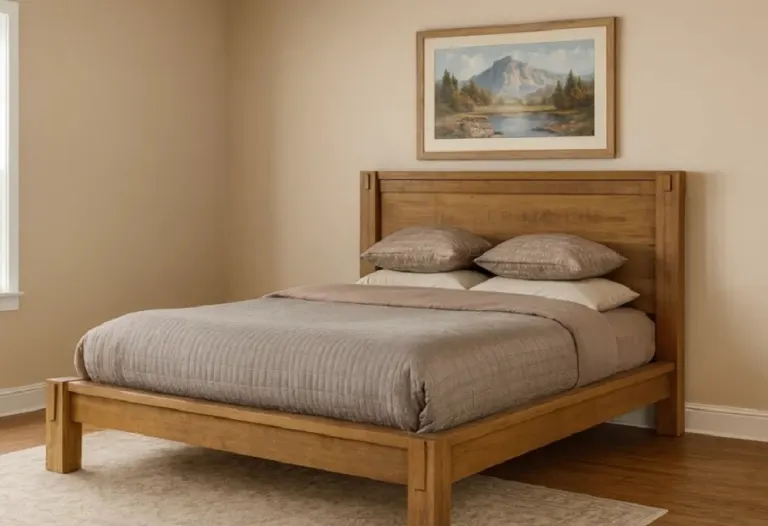
A Nordic design hotel room is rarely decorated; it is composed. Furniture is expected to be light in appearance, practical, and quietly well made. Guests notice the feel of a drawer front or the grain of a headboard panel more than they notice a statement piece.
Typical characteristics include:
- Simple geometry: straight lines, restrained profiles and few decorative elements.
- Natural, pale materials: oak, ash and birch tones, often with a visible but soft grain.
- Functional storage: every unit has a clear purpose, with open shelves and hanging space kept tidy.
- Daylight-friendly colours: light surfaces help rooms feel larger during long winter months.
- Tactile comfort: wool, linen-look fabrics and soft-touch finishes balance the wood.
Because the design is so quiet, flaws show. Uneven gaps, inconsistent colour between a wardrobe and a desk, or visible glue lines are far more noticeable than they would be in a heavily detailed interior.
Pale timber finishes: how to specify them
Pale finishes are harder to control than dark ones. A light oak or ash tone can look warm in one batch and slightly grey or yellow in the next, and different materials rarely match exactly.
Veneer, HPL or lacquer?
Each option suits a different part of the room and budget.
| Finish | Strengths | Points to watch |
|---|---|---|
| Real wood veneer (oak, ash) | Authentic grain, natural feel, suits headboards and wardrobe fronts | Colour variation between flitches; needs careful sorting and matching |
| HPL with wood-grain decor | Durable, consistent colour, good for desks and bedside tops | Grain repeat can be visible on large panels |
| Matt lacquer | Clean, uniform look; works for painted white or soft grey fronts | Touch-up is more demanding; edges must be well protected |
| Oil or oil-effect finish | Natural, low-sheen appearance | Needs a maintenance plan and clear care instructions |
Many Scandinavian hotel furniture schemes mix these: veneer on vertical surfaces guests see, HPL on work surfaces that take wear. If you do this, approve the colour relationship between materials on a physical sample board, not on a screen.
Controlling colour across the room
- Request physical finish samples under daylight and under the room's real lighting.
- Keep matt or satin sheen levels consistent; pale timber tones look different at different gloss levels.
- Agree acceptable colour variation in writing before production.
- Use a mock-up room to judge headboard, wardrobe and desk together.
Minimalist specifications that still work for hotels
Minimalism lowers visual noise but does not lower the performance demands of a hotel. Furniture still needs to survive luggage, housekeeping trolleys and daily cleaning.
Details that carry the design
- Handleless or recessed pulls: they keep fronts clean, but check that finger grooves are easy to clean and do not snag clothing.
- Tight, even reveals: specify the gap between doors and drawers on the drawings so that the factory builds to a visible standard.
- Edge treatment: small, consistent corner radii and well-bonded edging protect pale surfaces, which show impact marks easily.
- Plinths and floor clearance: a recessed plinth or raised feet give a lighter look, but they must still allow housekeeping to clean underneath.
- Concealed hardware: soft-close hinges and quality runners support the feeling of calm quality.
Layout and storage
Nordic rooms are often compact and efficient. Wall-hung bedside units, shallow wardrobes and a slim desk can free floor area. If you are considering wall-hung pieces, check wall construction and fixing methods early, because plasterboard walls and heavy loads need proper backing.
Low-emission furniture: what Nordic buyers ask about
Low emission furniture in Europe is a standard expectation rather than a premium extra, and the Nordic market tends to be particularly attentive. Owners and operators want guest rooms that smell neutral on opening day and comply with local building and procurement requirements.
Points that typically come up:
- Board emission class: ask for the formaldehyde emission class of the MDF, particleboard or plywood used, and request supporting documents from the board supplier.
- Adhesives and finishes: water-based or low-VOC lacquers and glues are commonly preferred for sensitive indoor environments.
- Timber origin: some owners and sustainability programmes ask for certified or traceable wood sources, such as FSC-certified material, where available.
- Fabrics and foams: upholstered headboards and seating may need documentation covering flame retardancy and chemical content.
- Project-specific rules: a brand standard, a green building scheme or a public client may add its own limits.
We cannot tell you which certificates apply to your project without seeing the specification; requirements differ by country, building type and owner. What we can say is that the right moment to raise them is before quotation. Changing board or finish after drawings are approved affects cost, lead time and sometimes the look of the product.
Fire and safety expectations
Fire performance requirements for hotel bedrooms vary by country and building. Confirm with your consultant or local authority which standards apply to furniture, upholstery and any wall panelling, and pass them to the factory with the brief. Fire-retardant materials can influence price and lead time, so it is better to know early.
Planning orders for the Nordics from Istanbul
Production in Istanbul and delivery to northern Europe is a workable route for many projects, with road, sea or combined options depending on the destination and volume. The practical points to plan around:
- Winter conditions: cold, dry delivery and storage conditions can stress wood and boards, so protective packing and acclimatisation on site matter.
- Packing and labelling: room-by-room labelling helps installers work efficiently, especially in tight construction programmes.
- Incoterms: decide early whether you want EXW, FOB, CIF or DAP, and who handles import clearance and unloading.
- Installation: agree whether the factory sends installers or whether a local fit-out contractor will assemble, and share the sequence with both parties.
- Access: older Nordic buildings and city hotels may have narrow stairs or small lifts, so check component sizes before packing.
Lead time depends on package size, finishes, approvals and shipping route, so we prefer to give a schedule after reviewing your drawings rather than quote a standard figure.
A practical checklist before you request a quote
- Room schedule with quantities and room types.
- Design drawings or concept images showing the Nordic look you want.
- Preferred timber tones and finish types, with physical samples if available.
- Emission, fire and sustainability documents your project requires.
- Hardware expectations: soft-close, handleless systems, wall-hung fixings.
- Delivery terms, destination and site access constraints.
- Opening date and construction programme.
Next step
Hotel furniture for Nordic countries rewards careful specification: clean lines, consistent pale finishes and documented materials. If you are planning a hotel in Scandinavia or elsewhere in the world, send us your drawings or room schedule. We will review the package and come back with material suggestions, an estimated lead time and shipping options for your project.
Sıkça Sorulan Sorular
What makes Scandinavian hotel furniture different from standard hotel furniture?
Scandinavian hotel furniture favours simple shapes, pale natural timber tones, tight detailing and practical storage rather than decoration. Because the look is restrained, build quality, colour consistency and finish details matter more, and documentation on materials is often requested alongside the design.
Which timber tones suit a Nordic design hotel room?
Light oak, ash and birch tones are common, along with soft white or grey matt fronts. You can achieve them with real veneer, HPL decors or lacquer. Approve physical samples under the room's actual lighting, since pale tones shift noticeably with light and sheen.
What should I ask about low emission furniture in Europe?
Ask for the formaldehyde emission class of the boards, the type of adhesives and lacquers used, and supporting documents from material suppliers. Requirements vary by country and project, so share your specification or green building targets with the factory before quotation.
Can Palmiye supply hotel furniture to Nordic countries from Istanbul?
Yes, we manufacture to project drawings in Istanbul and export worldwide, including to Europe. Delivery route, Incoterms, packing and installation support are agreed per project, so please send your drawings and destination for a tailored proposal.
Is a mock-up room necessary for a minimalist hotel room?
It is especially useful. Minimalist design leaves little to hide flaws, so a mock-up lets you check colour matching, reveal lines, handle details and proportions before mass production, when changes are still inexpensive.
Every hotel project is different. Send us your drawings or room schedule for a tailored proposal on materials, lead time and shipping.