Bedroom Furniture Design for Hotels in Hot Desert Cities: Dust Sealing and Edge Protection
In desert cities, fine dust and sand are as much a design problem as heat. This guide covers sealing details, abrasion-resistant surfaces and edge protection for hotel bedroom furniture.
Planning hotel furniture for a desert city means planning for dust. Fine sand enters rooms through doors, air handling units and guests' clothing, settles into every gap and slowly wears down finishes. The right construction details, sealed where it counts and easy to clean everywhere else, keep hotel furniture looking new for much longer in these conditions.
This article focuses on dust ingress, fine sand abrasion and sealing details. Heat and humidity matter too, but they are covered separately in our wider climate guides. Here we look at what you can specify in drawings and material schedules to keep dust out and make cleaning faster.
How dust behaves in a desert-city guest room
Dust in desert regions is not just surface dirt. It is very fine, often slightly abrasive mineral particles that travel on air currents and cling to surfaces through static and moisture. Understanding where it goes helps you decide where to seal and where to simplify.
- Entry points: entrance doors, balcony doors, fresh-air intakes and fan coil units bring dust into the room, even in well-sealed buildings.
- Settling zones: horizontal surfaces, the tops of wardrobes, headboard ledges and the gaps behind and beneath furniture collect the most.
- Hidden zones: wardrobe interiors, drawer cavities and the space between a bed base and the floor are rarely cleaned daily, so dust builds up unnoticed.
The design goal is simple: reduce the number of places dust can enter or hide, and make the remaining surfaces quick for housekeeping to wipe.
Sealing details that matter most
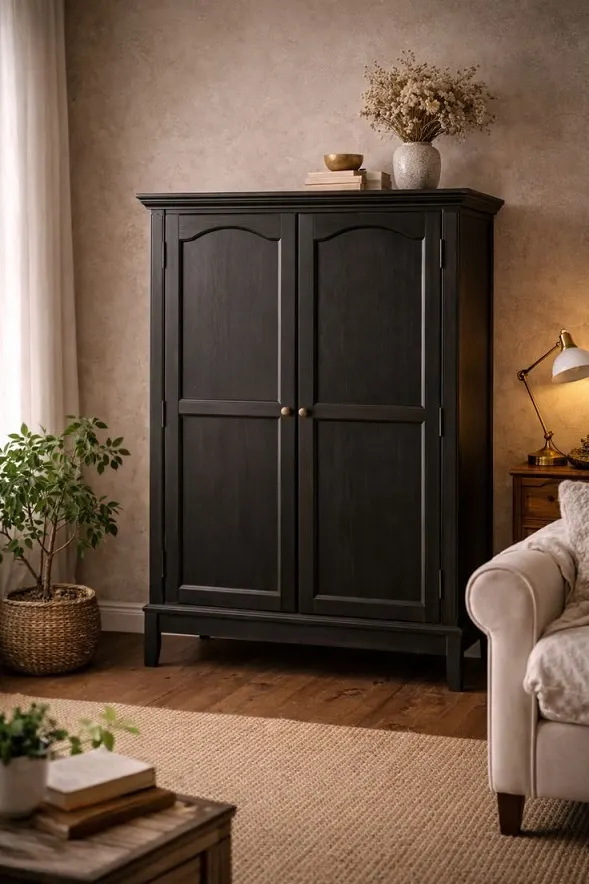
Sealed wardrobe cabinets
A sealed wardrobe cabinet protects guests' clothing and reduces housekeeping effort. Complete sealing is unrealistic because wardrobes need some air movement, but you can control where air and dust pass.
- Door reveals: keep gaps consistent and narrow. Wide or uneven reveals let dust in and look careless.
- Perimeter seals: soft brush or rubber-type seals along door edges slow dust entry. Specify seals that can be replaced without dismantling the door.
- Back panels: a fully fitted back panel, fixed into a groove or rebate, is better than a thin loose sheet with open edges.
- Top closure: run the wardrobe to the ceiling or fit a closed top panel so that dust does not collect on a ledge above the unit.
- Plinth: a closed, sealed plinth prevents dust from drifting into the base of the cabinet.
If ventilation is needed, for example to avoid stale air, use discreet, filtered vents rather than open slots. Our guide on wardrobe ventilation and odour control covers this balance in more detail.
Drawers and sliding doors
Sliding doors are common in compact rooms, but exposed tracks collect fine sand quickly and can make doors grind or jam. If you specify sliding doors in a desert city, ask for tracks that are easy to vacuum, recessed top guides and bottom runners that are not trapped in deep grooves.
For drawers, full cabinet sides and a closed back reduce dust entering from the rear. Runners should be protected from falling debris, and drawer fronts should close with a tight, even gap.
Joints and junctions with walls and floors
Dust follows gaps. Where fitted furniture meets walls, use scribing strips or closure panels and seal the junction with a flexible compound on site. Between the furniture and a stone or tile floor, a tight plinth or scribe detail is easier to clean than a open void.
Fine sand abrasion and surface choice
Dust is not only an appearance problem. When wiped with a dry cloth, sand particles scratch some finishes and dull gloss surfaces over time. This is why finish selection matters.
| Surface | Behaviour with fine dust | Practical note |
|---|---|---|
| HPL | Hard, scratch-resistant and easy to wipe | Good choice for tops, desks and high-contact areas |
| Matt lacquer | Hides light dust, but can show micro-scratches if wiped dry | Specify a hard-wearing polyurethane system and train staff to wipe damp |
| High-gloss finish | Shows dust and fine scratches quickly | Use sparingly, mainly on vertical panels away from touch zones |
| Natural veneer with durable top coat | Warm look, moderate abrasion resistance | Depends on the quality of the coating; ask for finish samples |
| Textured or fluted surfaces | Can trap dust in grooves | Keep grooves shallow and wide enough to wipe |
A desert climate furniture finish should be hard, stable and consistent. Medium tones and subtle textures usually hide dust better than very dark or very pale flat colours. Ask for physical finish samples and test them with the cleaning method your housekeeping team actually uses.
Edge protection: the first place sand does damage
Edges are where abrasion, impact and moisture from cleaning meet. In dusty environments, a weak edge allows fine particles to work into the core board and lift the banding over time.
- Edge banding: use well-bonded ABS or PVC banding, or laser or PUR-bonded edges where specified, so there is no visible glue line for dust to collect in.
- Corner radii: slightly rounded corners reduce chipping and are easier to wipe than sharp arrises.
- Solid wood or metal edges: consider these on high-contact corners such as desk fronts and luggage bench edges.
- Exposed board faces: avoid raw cut edges on hidden faces, as they absorb dust and moisture. Seal or band all exposed edges.
For more on this topic, see our article on edge banding and corner radii as a decisive factor in furniture lifespan.
Make cleaning access part of the design
The most effective dust strategy is one that housekeeping can maintain. Furniture that is difficult to clean will look worn long before its structure fails.
- Raised or wall-hung units: a clear floor gap lets vacuum heads reach underneath. Compare options in our article on wall-hung and floor-standing furniture.
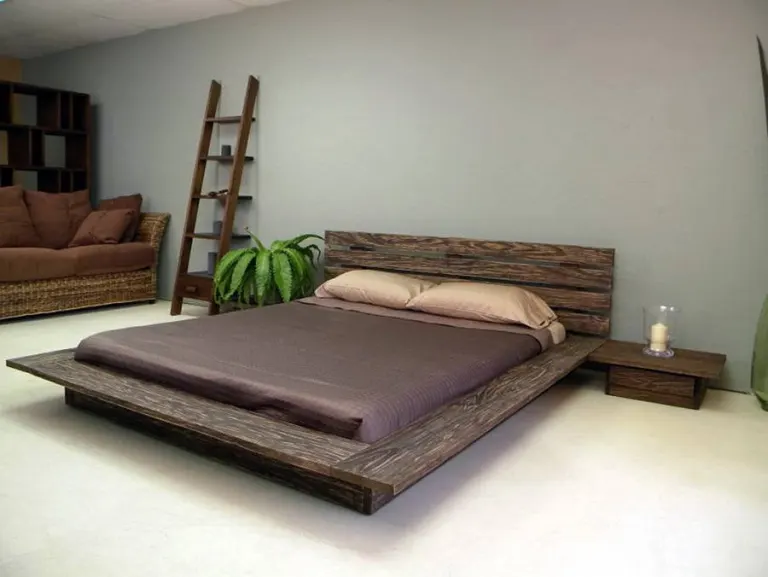
- Bed bases: choose a base height that allows cleaning under the bed, or a fully closed base that leaves no gap for dust to enter.
- Headboards: avoid deep ledges or open slots behind headboards that collect dust and are hard to reach.
- Removable panels: upholstered or fabric elements that can be removed make maintenance easier.
- Smooth interiors: a plain, wipe-clean interior in wardrobes and drawers is more practical than complex inserts in dusty locations.
Hardware in dusty environments
Hinges, runners and locks work better when kept clean. Choose commercial-grade hardware with enclosed or protected mechanisms where possible, and avoid exposed grease that attracts dust. Soft-close dampers should be rated for hotel use. Our soft-close hardware guide explains where hardware quality matters most.
Specification checklist for desert-city projects
- Define the dust risk: coastal desert, inland desert, or a city with frequent dust events.
- Specify sealed back panels, closed plinths and closed tops for wardrobes.
- Set narrow, consistent door and drawer reveals in the drawing tolerances.
- Choose hard surfaces for tops and high-contact areas, and approve physical finish samples.
- Require sealed or banded edges on all exposed faces.
- Keep textures and grooves shallow enough to wipe.
- Add cleaning access, such as a floor gap or fully closed base, to the design brief.
- Test the layout in a mock-up room and ask housekeeping to review it.
Mock-up room: test with real cleaning
A mock-up room is the best place to check dust sealing. Ask your housekeeping team to clean the room as they normally would, then check where cloths snag, where dust remains and which corners are awkward. Small adjustments at this stage cost little compared with changes after mass production.
Working with Palmiye on desert-climate projects
We produce hotel bedroom furniture to project drawings in our own factory in Istanbul and supply hotels in many regions. We can review your drawings for dust-prone details, suggest edge, sealing and finish options and prepare samples before you approve production. Packing and shipping are planned so that pieces arrive protected for overseas delivery.
Next step
If you are planning a hotel in a desert city, send us your drawings or room schedule. We will review the furniture package and come back with sealing, finish and edge recommendations, along with an estimated lead time and shipping options for your project.
Sıkça Sorulan Sorular
Can hotel wardrobes be fully dust-proof?
Not completely, and they should not be airtight, as clothing needs some air movement. You can greatly reduce dust ingress with tight door reveals, perimeter seals, fitted back panels, closed tops and sealed plinths. Where ventilation is needed, filtered vents work better than open slots.
Which finish is best for dust resistant hotel furniture?
Hard, easy-wipe surfaces such as HPL work well on tops and high-contact areas. Matt lacquer with a durable polyurethane coating also performs well. High-gloss finishes show dust and fine scratches quickly, so use them sparingly and test samples before approval.
Why do sliding wardrobe doors cause problems in sandy regions?
Fine sand collects in tracks and runners, which can cause grinding, noise and jamming. If you choose sliding doors, specify tracks that are easy to vacuum, protected guides and quality rollers, and include track cleaning in the housekeeping routine.
How does edge banding help in dusty environments?
Well-bonded edge banding seals the core board so that dust, moisture and cleaning liquids cannot work into the edge. Tight joints with no visible glue line also leave less room for dust to collect. Slightly rounded corners resist chipping and wipe clean more easily.
Do you ship hotel furniture to desert-city projects worldwide?
Yes. We produce in Istanbul and export to hotel projects in many regions. Shipping terms, packing method and delivery sequence are agreed per project. Send us your drawings and destination so we can propose suitable options.
Every hotel project is different. Send us your drawings or room schedule for a tailored proposal on materials, lead time and shipping.