Heritage Reclaimed Timber & Metal-Wood Hybrid Engineering: Salvaged Anatolian Oak, Circular Furniture-as-a-Service (FaaS), and High-Margin Architectural Exports in the Production, Import, an
As global interior architecture and corporate ESG procurement shift toward zero-waste circularity and tactile material authenticity, two specialized manufacturing categories have surged within Türkiye’s woodworking export economy: reclaimed heritage timber furniture and precision metal-wood architectural hybrids.

Heritage Reclaimed Timber & Metal-Wood Hybrid Engineering: Salvaged Anatolian Oak, Circular Furniture-as-a-Service (FaaS), and High-Margin Architectural Exports in the Production, Import, and Export of Solid Wood Furniture in Turkey examines how Turkish ateliers and industrial design manufacturers in Istanbul, Bursa, İzmir, Ankara, and Konya salvage century-old structural beams from historic Anatolian barns, bridges, and Black Sea timber houses—while simultaneously engineering structural steel, cast bronze, and solid hardwood hybrid collections for circular commercial leasing and luxury residential export. With standalone Turkish furniture exports under Harmonized System (HS) chapters 9401–9404 reaching $4.58 billion—within a broader forest, paper, and furniture export ecosystem valued at $8.4 billion—these specialized circular and hybrid product lines deliver extraordinary Free on Board (FOB) unit values and complete insulation from mass-market commodity competition.
Executing Heritage Reclaimed Timber & Metal-Wood Hybrid Engineering: Salvaged Anatolian Oak, Circular Furniture-as-a-Service (FaaS), and High-Margin Architectural Exports in the Production, Import, and Export of Solid Wood Furniture in Turkey requires mastering four technical and regulatory disciplines: ultrasonic metal-detection and sterilization kilning of reclaimed Anatolian oak (Quercus spp.), chestnut (Castanea sativa), and cedar (Cedrus libani); precision tolerance mating between CNC-milled solid timber and low-carbon electric-arc-furnace (EAF) architectural steel or PVD brass; documenting EUDR recycled/reclaimed exemption eligibility alongside ISPM 15 phytosanitary clearance; and engineering modular, bolt-together Furniture-as-a-Service (FaaS) commercial seating and tables for European circular office and hospitality leasing platforms.
Reclaimed Anatolian Heritage Timber: Salvage Sourcing, Sterilization, and Milling
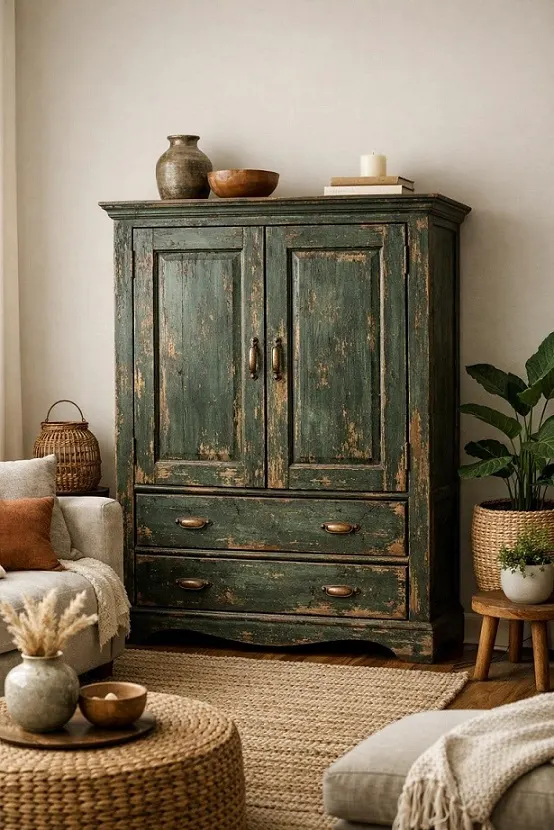
Unlike virgin timber harvested from commercial forestry compartments, reclaimed structural wood recovered from dismantled 19th- and early-20th-century Anatolian granaries (serender), Thracian farmhouses, Ottoman railway sleepers, and coastal warehouses possesses dense old-growth ring structures, deep natural oxidation, and historical provenance prized by architects in London, Zurich, Munich, New York, Dubai, and Riyadh. Within Heritage Reclaimed Timber & Metal-Wood Hybrid Engineering: Salvaged Anatolian Oak, Circular Furniture-as-a-Service (FaaS), and High-Margin Architectural Exports in the Production, Import, and Export of Solid Wood Furniture in Turkey, turning salvaged beams into export-grade furniture requires a rigorous five-stage industrial decontamination and stabilization protocol.
Reclaimed Timber Processing & Decontamination Pipeline
1. Multi-Sensor Metal & Shrapnel Detection: Salvaged beams invariably contain hand-forged iron nails, bronze spikes, stone grit, and wire fragments that can shatter high-speed planer knives or polycrystalline diamond (PCD) CNC router bits. Specialized reclaiming yards in Bursa, Bolu, Istanbul, and Ankara pass every rough beam through industrial electromagnetic pulse metal detectors and handheld pin-scanners before sawmilling.
2. Phytosanitary Heat Sterilization & Insect Eradication: Because aged structural wood may harbor dormant wood-boring beetle larvae (Anobium punctatum or Hylotrupes bajulus), all reclaimed planks undergo mandatory 72-hour thermal sterilization at 65°C–70°C core temperature inside computerized dry kilns—exceeding ISPM 15 biological eradication thresholds and bringing moisture content down to a uniform 7.0%–9.0% Equilibrium Moisture Content (MC).
3. Wire-Brush Patina Preservation & Epoxy Void Stabilization: Rather than planing away centuries of weathered surface character, Turkish artisans use rotary nylon-abrasive Tynex brushes to clean dirt from aged grain fissures while preserving natural saw marks and patina. Structural checks, mortise pockets, and knot holes are stabilized with low-viscosity, UV-stabilized crystal-clear or matte-black architectural epoxy resins vacuum-degassed to eliminate air bubbles.
4. Resawing & Engineered Backing Lamination: Thick reclaimed Anatolian oak or chestnut beams (150 mm × 150 mm) are resawn into 12 mm to 22 mm thick heritage face lamellas and hot-pressed onto kiln-dried, stress-relieved solid beech or birch cores using EN 204 D4 waterproof polyurethane adhesives—multiplying usable surface yield by 400% while guaranteeing zero seasonal cupping during transatlantic or Gulf shipping.
Heritage Reclaimed & Hybrid Timber Matrix
Material Category Botanical / Metallurgical Specification Sourcing & Import/Domestic Origin Structural & Aesthetic Properties Primary Export Markets & Price Tier
Reclaimed Anatolian Oak & Chestnut Quercus spp. & Castanea sativa (80–150+ years old) Salvaged from Thrace, Black Sea (serender barns), & Inner Anatolia Ultra-tight old-growth ring density; deep oxidized silver-brown patina; high natural tannin resistance UK, Germany, Switzerland, USA luxury residential & boutique hotel dining tables ($1,400–$4,500+ FOB/unit)
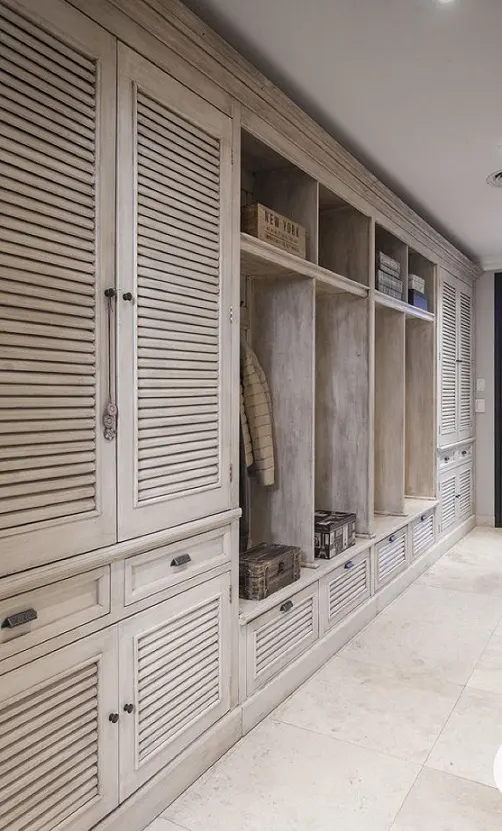
Reclaimed Taurus Cedar Cedrus libani (salvaged structural timbers) Dismantled historic Mediterranean highland structures Aromatic decay-resistant essential oils; warm amber-red heartwood; lightweight Luxury spa lounges, bespoke walk-in closet cabinetry, & architectural wall paneling in GCC & EU
Solid Hardwood + Low-Carbon EAF Steel Hybrids Imported European white oak / American walnut + ST37 / S235JR cold-rolled Turkish steel Imported FAS lumber (EU/USA) + domestic low-carbon steel mills (İskenderun, Gebze, İzmir) High-span load-bearing rigidity; ultra-slim architectural leg profiles; matte electrostatic powder coat European & North American commercial conference tables, industrial-modern retail collections
Solid Walnut + Cast Bronze / PVD Brass Hybrids Imported American black walnut (Juglans nigra) + CuZn39Pb3 architectural brass / PVD 304 stainless Imported Appalachian FAS walnut + Istanbul/Konya precision CNC metal ateliers Precision ±0.15 mm metal-to-wood flush inlay tolerances; high-luxury hospitality focal pieces Saudi Arabia (NEOM/Diriyah), UAE, Qatar, London & Paris five-star hotel FF&E
Metal-Wood Hybrid Engineering: Solving Differential Thermal & Hygroscopic Expansion
A major technical challenge within Heritage Reclaimed Timber & Metal-Wood Hybrid Engineering: Salvaged Anatolian Oak, Circular Furniture-as-a-Service (FaaS), and High-Margin Architectural Exports in the Production, Import, and Export of Solid Wood Furniture in Turkey is mechanically joining two materials with opposite physical behaviors: kiln-dried solid hardwood (which expands and contracts across its grain in response to ambient relative humidity) and structural steel, aluminum, or solid brass (which moves negligibly with humidity and expands slightly with temperature).
Precision Tolerance Engineering Between Wood and Metal
1. Slotted Gusset Plates & Floating Bolt Assemblies: When bolting a 40 mm thick solid European oak or reclaimed chestnut tabletop onto a welded architectural steel trestle base, Turkish mechanical engineers laser-cut elongated 8 mm × 22 mm lateral expansion slots into the steel mounting flanges rather than round holes. Heavy-duty M8 machine bolts paired with oversized nylon-insert washers thread into knurled brass inserts embedded in the wood underside—clamping the tabletop tightly downward while allowing up to 14 mm of cross-grain seasonal wood movement without bowing the steel frame or splitting the timber.
2. Electrostatic Powder-Coating & PVD Surface Compatibility: Domestic Turkish metalworking clusters in Istanbul (Dudullu/İkitelli), Bursa, and Konya apply Qualicoat-certified architectural polyester powder coatings (cured at 200°C) or Physical Vapor Deposition (PVD) titanium-nitride brass/bronze finishes over laser-welded, seamlessly ground steel frames—achieving zero visible weld seams and salt-spray corrosion resistance exceeding 1,000 hours (ISO 9227).
3. HS Customs Classification for Metal-Wood Hybrid Furniture: Under Harmonized System General Interpretative Rule (GRI) 3(b), hybrid dining tables, desks, and shelving units featuring solid wood tabletops/shelves supported by structural steel legs classify under HS 9403.60 / 9403.30 (wooden furniture) whenever the solid timber imparts the visual and functional essential character—preserving 0% EU Customs Union duty via A.TR and 0% UK FTA duty via EUR.1.
EUDR Compliance for Reclaimed Timber & Low-Carbon Steel Synergy
Within Heritage Reclaimed Timber & Metal-Wood Hybrid Engineering: Salvaged Anatolian Oak, Circular Furniture-as-a-Service (FaaS), and High-Margin Architectural Exports in the Production, Import, and Export of Solid Wood Furniture in Turkey, sustainability documentation provides powerful commercial differentiation in European and North American markets:
• EUDR Exemption & Verification Protocol for Reclaimed Wood: Under Regulation (EU) 2023/1115 (EUDR), genuine post-consumer or post-service reclaimed wood that has completed its original lifecycle and would otherwise be disposed of as waste falls outside primary deforestation scope—provided the exporter documents verifiable chain-of-custody provenance. Tier-1 Turkish ateliers compile notarized salvage demolition deeds, pre- and post-dismantling photographic logs, and FSC Recycled Chain-of-Custody certificates, ensuring frictionless customs clearance at Rotterdam, Hamburg, Antwerp, and Felixstowe.
• Synergy with Türkiye’s Low-Carbon Electric-Arc-Furnace (EAF) Steel: Unlike Asian competitors reliant on coal-intensive blast-furnace steel, over 70% of Türkiye’s steel output is produced in scrap-fed Electric Arc Furnaces (EAF)—yielding 45% to 60% lower embodied carbon (kg CO₂e/kg) on steel table legs and hybrid frames. Combined with biogenic carbon storage in reclaimed Anatolian oak or FSC European white oak, Turkish metal-wood hybrids score exceptionally well in ISO 14025 Environmental Product Declarations (EPDs) and LEED / BREEAM green building tenders.
Circular Furniture-as-a-Service (FaaS) & Modular Refurbishment Exports
A rapidly emerging commercial model examined in Heritage Reclaimed Timber & Metal-Wood Hybrid Engineering: Salvaged Anatolian Oak, Circular Furniture-as-a-Service (FaaS), and High-Margin Architectural Exports in the Production, Import, and Export of Solid Wood Furniture in Turkey is Design-for-Disassembly (DfD) engineered specifically for European Furniture-as-a-Service (FaaS) commercial leasing operators (such as Ahrend, NORNORM, and corporate workspace subscription platforms in the Netherlands, Germany, Sweden, and the UK).
Four Engineering Rules for Circular FaaS Solid Wood Furniture
1. 100% Reversible Mechanical Fasteners (Zero Permanent Glue on Structural Interfaces): While individual tabletop staves are edge-glued for stability, all legs, aprons, modesty panels, and upholstered seat pads attach via standardized M8 stainless steel bolts, threaded brass inserts, and concealed Lamello P-System connectors—allowing damaged components to be unbolted and swapped on-site in under 5 minutes without scrapping the entire unit.
2. Sanding-Allowance Solid Timber Thickness (≥ 28 mm Tops): Solid oak and beech tabletops are milled to 28 mm to 35 mm thickness with zero thin surface veneers—allowing circular refurbishment centers in Europe to run used tables through a wide-belt sander and re-apply fresh zero-VOC hardwax oil up to four times across a 25-to-30-year multi-tenant lifecycle.
3. Zip-Off / Screw-On Modular Upholstery Pads: On wooden-frame office and hospitality chairs (HS 9401.61), upholstered seat and backrest cushions mount onto removable beech plywood pans secured from underneath with four machine screws—enabling instant textile reupholstery between corporate lease cycles.
4. Embedded NFC Digital Product Passports (DPP): Each FaaS unit carries a laser-etched QR code and passive NFC tag storing original timber origin, finish formulation, torque specs, and spare-part SKU codes for automated circular asset tracking.
Conclusion: Fusing Anatolian Heritage with Circular Industrial Precision
By rescuing century-old Anatolian structural timbers through sterile kiln engineering, uniting solid hardwoods with low-carbon Turkish architectural steel and PVD brass, and designing modular bolt-together collections for European circular leasing networks, Heritage Reclaimed Timber & Metal-Wood Hybrid Engineering: Salvaged Anatolian Oak, Circular Furniture-as-a-Service (FaaS), and High-Margin Architectural Exports in the Production, Import, and Export of Solid Wood Furniture in Turkey exemplifies how heritage craft and circular engineering generate high-margin export growth. For global architectural specifiers, luxury retailers, and circular workspace operators, Türkiye delivers authentic material storytelling backed by industrial scalability and nearshore European logistics.