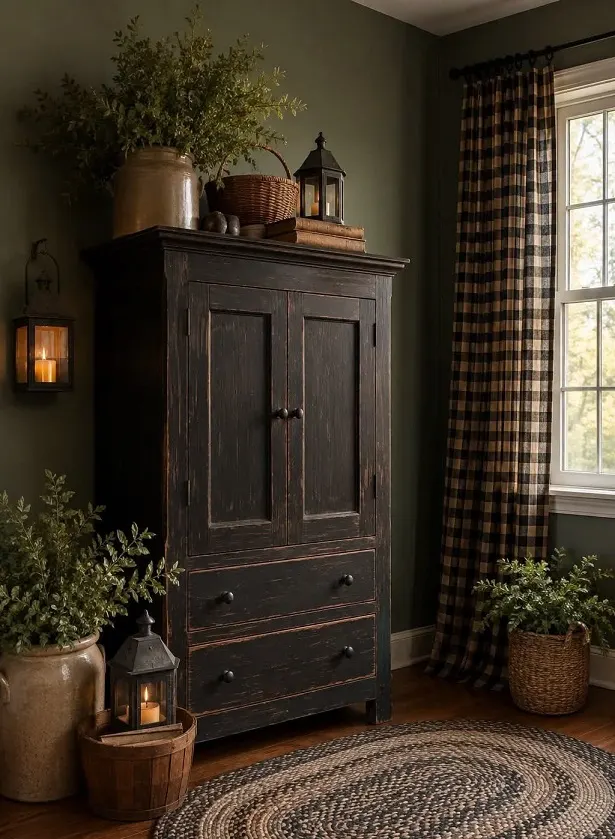
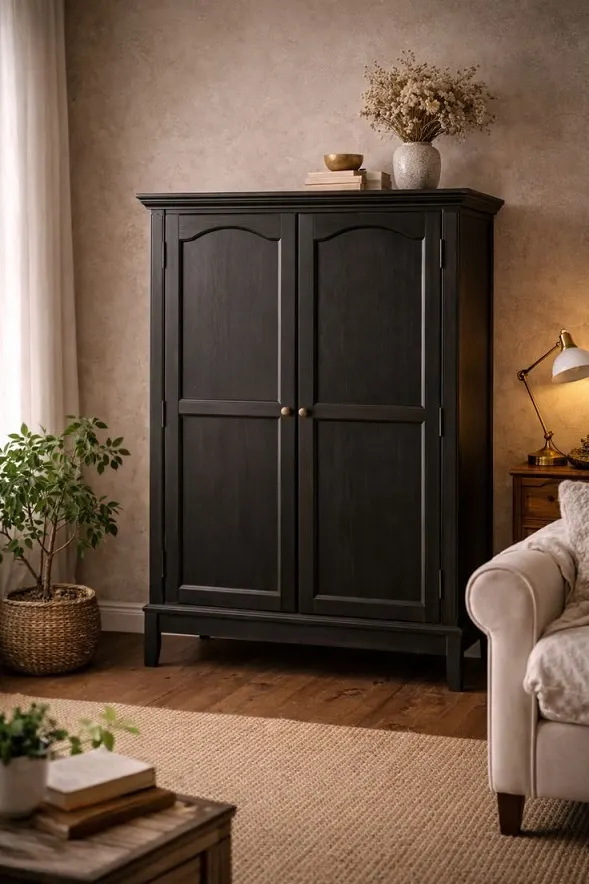
Dressing Room Dust Protection in Hot, Dry Climates: Doors, Seals and Cleaning Access
Fine desert dust settles on clothing, shoes and accessories faster than most owners expect. This guide explains how door types, seals, ventilation and cleaning access in custom joinery help keep residential dressing rooms cleaner.
Effective dressing room dust protection starts at the design stage, not with a cleaning routine added later. In hot, dry regions, fine particles enter through door gaps, air-conditioning flows and daily movement, then settle on garments, shoes and shelves. Well-planned joinery cannot make a closet airtight, but it can reduce how much dust gets in and make the remainder easy to remove.
This article is written for developers, designers and villa owners who specify residential wardrobes and walk-in closets. It looks at how doors, seals, internal layout, materials and cleaning access work together. We cover the practical points we discuss with clients when drawings are prepared for projects in dusty, high-temperature locations.
Why dust is a different problem in hot, dry climates
In arid regions, dust is often very fine and stays airborne for long periods. It is carried in by wind, by foot traffic and by the air-conditioning system. Because indoor air is usually dry as well, static charge can make particles cling to fabrics, glossy surfaces and glass.
The result is familiar to many residential owners: a light film on shelves, dull-looking leather goods, and clothing that smells stale or needs frequent re-cleaning. Hotel rooms face a similar issue, but a private dressing room holds higher-value items for longer periods, so the cost of poor dust control is more visible.
Where dust actually enters a dressing room
- Gaps around doors and between door leaves.
- Open shelving and open hanging zones facing the room.
- Supply and return air grilles close to the joinery.
- Gaps between the wardrobe top and the ceiling.
- Cable and ventilation openings cut into carcass panels.
- Clothing and shoes carried in from outside.
Understanding these paths helps you decide where sealing matters and where it does not.
Doors: the first line of defence
A closed wardrobe dust level is largely determined by the door system. Doors that close tightly against a carcass reduce airflow into the storage zone far more than open fronts or loosely fitted panels.
Hinged doors
Hinged doors that close against a frame or a returned edge usually seal better than sliding systems. A small, even reveal and well-adjusted hinges keep the gap consistent from top to bottom. Good hinge quality and sufficient hinge count matter here, because a sagging door opens a gap exactly where dust finds it.
Sliding doors
Sliding doors save floor space, but the overlap between leaves and the top and bottom tracks leave natural gaps. If you specify sliding doors in a dusty location, ask about brush seals in the track and between leaves, and about how the bottom track can be cleaned. Open tracks collect fine sand quickly and may need regular vacuuming.
Glass doors and display fronts
Glazed fronts look attractive and keep items visible, but they show fingerprints and dust clearly. If you choose glass, consider framed doors with a proper closing edge rather than frameless panels, and plan for easy access to wipe both sides.
Seals and gaps: small details with a large effect
Sealed cabinet doors do not need to be airtight. The aim is to slow the movement of dust-laden air, not to create a vacuum. Practical options include:
- Soft rubber or silicone door seals fitted in a groove or on the carcass edge.
- Brush strips for sliding door tracks and top gaps.
- Side fillers and return panels that close the space between the wardrobe and the wall.
- Ceiling scribe panels or full-height carcasses that remove the dust-collecting gap on top.
Seals should be removable or replaceable, because they wear over time. Specify the material with heat in mind, as some low-grade foams harden or discolour in hot rooms. Ask your manufacturer to confirm suitability for the expected temperatures before approval.
Ventilation without opening the door to dust
Completely closed storage can trap moisture and odours, so ventilation still has to be considered. In hot, dry climates the humidity risk is lower, but odour and heat build-up can still occur, especially in walk-in closets with lighting.
Instead of open vents, consider these approaches:
- Discreet slots or perforated panels with a fine filter mesh behind them.
- Ventilation positioned at the top and bottom to allow gentle air exchange.
- Filters that can be pulled out and washed or replaced without removing the panel.
Keep supply air grilles away from open shelves, since a direct air stream moves dust straight across stored items. Coordinate this with the HVAC designer early; it is easier to move a grille on a plan than after installation.
Layout choices that reduce dust on clothing
How you divide storage inside the dressing room changes how much dust reaches what matters most.
- Put delicate garments, formalwear and leather items behind doors or in drawers.
- Use open shelving only for items that are used daily or are easy to wash.
- Choose drawers with full fronts for accessories, watches and jewellery.
- Include a garment cover zone or closed hanging section for long dresses and coats.
- Place shoes in closed or glazed cabinets rather than open racks near the entrance.
Drawers generally protect better than shelves because the front panel closes the compartment completely. In a large dressing room, an island with closed drawers also keeps frequently handled items protected.
Materials and finishes that are easier to keep clean
Surface choice affects both how visible dust is and how simple it is to remove.
- Smooth, sealed finishes such as quality lacquer or laminate wipe clean easily.
- Very high-gloss surfaces show every particle; a matt or satin finish hides fine dust better.
- Deeply textured or open-pore surfaces can hold dust in grooves and are harder to clean.
- Fabric-lined interiors look luxurious but attract fibres and dust; consider them only where the owner accepts regular maintenance.
Carcass edges should be properly sealed with edging so that no raw board is exposed. Raw edges can release fine particles and absorb dirt. Where lighting strips are used, choose profiles that are easy to wipe rather than deep channels that trap dust.
Planning walk-in closet cleaning access
Even a well-sealed design needs cleaning. Walk-in closet cleaning is far easier when the joinery is designed with a vacuum cleaner and cloth in mind.
Practical access features
- Raised plinths or recessed bases that allow a vacuum nozzle to reach the floor edge.
- Smooth floor junctions without ledges where dust gathers.
- Shelves that can be lifted out or are fixed at heights reachable without a ladder.
- Back panels fitted flush so that no gap collects dust behind the units.
- Top surfaces that are either closed to the ceiling or flat enough to wipe.
Consider the floor finish as well. Hard flooring is easier to clean than carpet in dusty regions, although a washable rug near the entrance can capture foot-borne dust before it spreads.
Entry zone and room-level habits
Joinery is only one part of the system. A small entry zone with a bench, shoe cabinet or mat can stop much of the dust before it reaches the main storage. If the dressing room opens directly to a bedroom with a balcony or terrace door, consider whether a door between those spaces would help.
Slightly positive air pressure from the ventilation system can also reduce infiltration, but this is an HVAC decision and should be reviewed by the mechanical engineer on the project.
Specification checklist for dusty locations
| Item | What to ask or specify |
|---|---|
| Doors | Closing edge, hinge count, adjustability, door seal type |
| Sliding systems | Brush seals, track cleaning access |
| Ceiling gap | Full-height carcass or scribe panel |
| Ventilation | Filtered, removable, away from open shelves |
| Finishes | Sealed surface, matt or satin sheen, sealed edges |
| Interior | Closed drawers for delicate items, limited open shelving |
| Cleaning | Plinth access, removable shelves, flush back panels |
What to share with your manufacturer
To get proposals that suit your climate, include these details with your drawings:
- Project location and typical dust or sand conditions.
- HVAC layout and grille positions.
- Floor and wall finishes.
- Items to be stored, such as formal wear, leather goods or accessories.
- Who will maintain the closet and how often.
With this information, shop drawings can show seal details, ventilation positions and access points before production starts. A sample section or mock-up can then confirm door fit and finish before the full order is made.
Conclusion
Reliable dressing room dust protection comes from a combination of tight-closing doors, sensible seals, filtered ventilation, closed storage for delicate items and surfaces that are simple to clean. None of these measures is expensive alone, but together they make a visible difference in dry, dusty climates.
If you are planning a residential dressing room or walk-in closet for a hot-climate project, send us your drawings or a brief description of the space. We will review the layout and come back with door, seal and finish suggestions, and we can arrange export delivery to destinations worldwide.
Sıkça Sorulan Sorular
Can a wardrobe be made completely dust-proof?
Not realistically. Wardrobes need some air exchange to avoid odours and trapped heat. Good design reduces dust entry with tight doors, seals, closed ceiling gaps and filtered vents, so the amount reaching clothing is much lower and cleaning is quicker.
Are sliding or hinged doors better for dust control?
Hinged doors that close against a frame or returned edge usually seal better. Sliding doors can work in dusty regions if they include brush seals and a track that can be vacuumed easily. The choice also depends on available floor space.
Do drawers protect clothes better than open shelves?
Yes. A drawer with a full front panel closes the compartment, so dust has far fewer routes in. Open shelves suit daily items, while delicate garments, accessories and jewellery are better kept in drawers or behind doors.
Which finishes show less dust in a dressing room?
Matt or satin finishes hide fine dust better than high-gloss surfaces. Smooth, sealed laminate or lacquer wipes clean easily. Deep textures and open-pore surfaces can hold particles in grooves and need more careful cleaning.
Should I close the gap between the wardrobe and the ceiling?
In dusty climates, yes. A full-height carcass or scribe panel removes a top surface where dust collects and is hard to reach. It also gives the joinery a cleaner, built-in appearance.
Can you supply dressing room furniture for projects outside Turkey?
Yes. We produce in our Istanbul factory from project drawings and ship worldwide. Send your drawings and location details, and we will advise on suitable seals, finishes, packing and delivery terms.
Every hotel project is different. Send us your drawings or room schedule for a tailored proposal on materials, lead time and shipping.