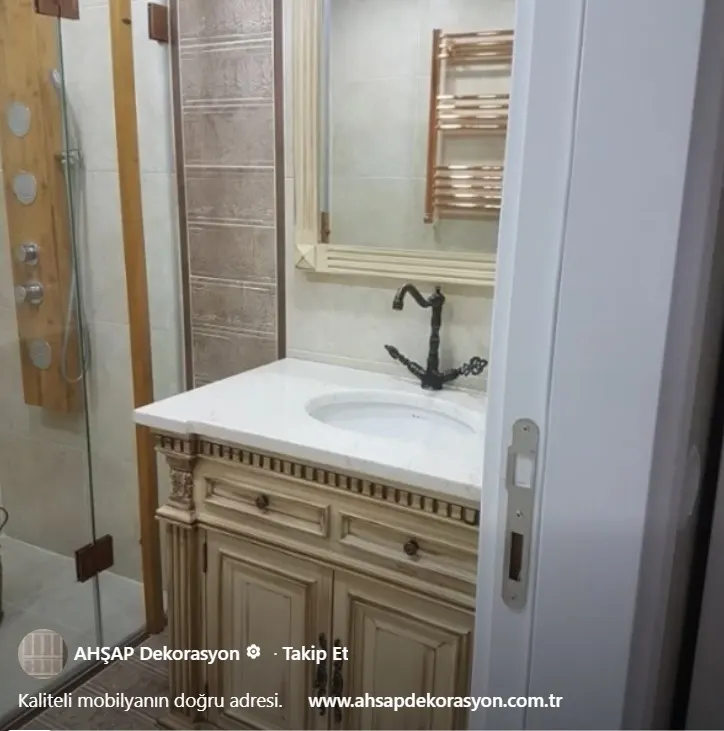
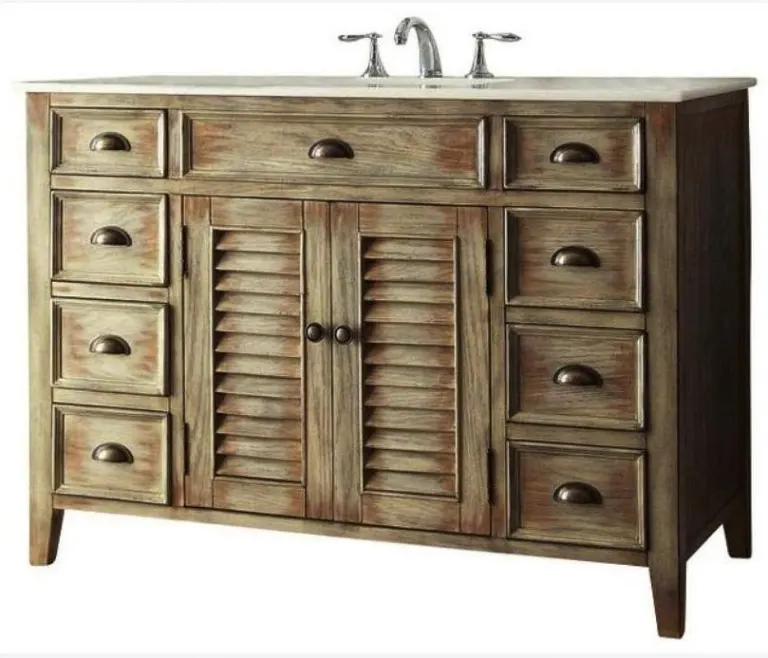
Artisanal Distressing Metallurgy, Reclaimed Timber Engineering, and Global Trade Execution for Turkish Distressed Solid Wood TV Units
Artisanal Distressing Metallurgy, Reclaimed Timber Engineering, and Global Trade Execution for Turkish Distressed Solid Wood TV Units defines the specialized technical, regulatory, and commercial architecture powering Turkey’s emergence as a premier international manufacturing hub for rustic, industrial-loft, farmhouse, and heritage-weathered solid hardwood living room furniture.
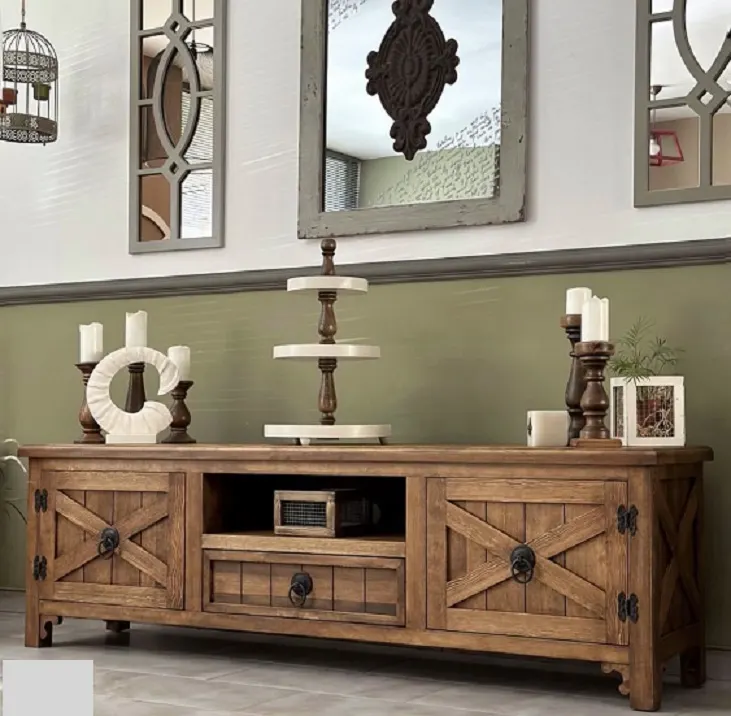
Across bespoke artisanal ateliers in Ankara’s Siteler district, high-throughput rustic finishing plants in İnegöl (Bursa), architectural contract workshops in Istanbul, and timber-reclamation yards across the Black Sea and Aegean regions, Turkish producers combine authentic hand-patination techniques with computerized kiln stabilization and tariff-free European customs access. For European retail category directors, North American boutique furniture importers, hospitality procurement executives, reclaimed timber merchants, and Turkish export managers, mastering Artisanal Distressing Metallurgy, Reclaimed Timber Engineering, and Global Trade Execution for Turkish Distressed Solid Wood TV Units unlocks superior gross margins, rapid inventory replenishment, and structural durability across contrasting global climates.
1. Macroeconomic Positioning of Turkey in the Global Distressed Solid Wood Furniture Market
International furniture procurement has structurally shifted toward regional nearshoring, tactile authenticity, and verifiable environmental governance. While mass-market flat-pack furniture fabricated from melamine-faced chipboard (MFC) or printed paper-foil MDF relies on artificial photographic wood-grain repeats, distressed solid wood television units—encompassing wire-brushed Anatolian oak credenzas, hand-planed walnut media consoles, reclaimed pine barn-door entertainment centers, and iron-strapped industrial lowboards—command a resilient, high-margin market segment. Commercial hospitality specifiers and discerning retail consumers increasingly demand authentic, character-rich solid hardwood furniture where every saw mark, open knot, and hand-rubbed patina tells a tactile story while concealing everyday wear and tear.
Turkey’s competitive leadership in Artisanal Distressing Metallurgy, Reclaimed Timber Engineering, and Global Trade Execution for Turkish Solid Wood TV Units—specifically Artisanal Distressing Metallurgy, Reclaimed Timber Engineering, and Global Trade Execution for Turkish Distressed Solid Wood TV Units—rests upon four structural pillars:
1. Transit Velocity and Working Capital Efficiency: Positioned at the geographic crossroads of Europe, the Middle East, North Africa (MENA), and Central Asia, Turkish factories deliver full-truckload (FTL) overland shipments to Germany, France, the Benelux countries, Austria, and the United Kingdom within 4 to 8 transit days. By comparison, maritime container freight from India, Indonesia, Vietnam, or China—traditional competitors in rustic/distressed furniture—requires 35 to 55 days, forcing importers to tie up substantial working capital in floating inventory and exposing retail assortments to seasonal stockouts.
2. Duty-Free European Market Access via the Customs Union: Under the EU–Turkey Customs Union decision, industrial goods—including distressed solid wood furniture classified under Harmonized System (HS) heading 9403—enter all 27 EU member states at a 0% customs tariff rate when accompanied by an endorsed A.TR Movement Certificate. Crucially, this 0% tariff applies to finished distressed TV units in free circulation within Turkey even if the raw hardwood lumber or forged iron hardware was imported into Turkey prior to processing.
3. Artisanal Labor Depth Paired with Industrial Kiln Infrastructure: Unlike Western European workshops where manual hand-distressing, resin knot-filling, and multi-layer glazing carry prohibitive labor costs, Turkey maintains a deep workforce of master cabinetmakers (marangoz ustaları) and metal smiths (demirci ustaları) supported by modern computerized drying kilns—allowing scalable batch production of hand-finished consoles at competitive B2B price points.
4. Abundant Domestic Character-Grade Hardwoods & Architectural Heritage: Turkey’s Anatolian forests and historic building stock yield richly figured oak (meşe), walnut (ceviz), chestnut (kestane), elm (karaağaç), and Black Sea pine (çam) featuring natural cathedral grain, mineral streaks, and tight knots ideally suited for distressed aesthetics.
2. Industrial Geography: Mapping Turkey’s Distressed & Rustic Furniture Clusters
Executing Artisanal Distressing Metallurgy, Reclaimed Timber Engineering, and Global Trade Execution for Turkish Distressed Solid Wood TV Units requires matching distressing intensity, timber provenance (reclaimed vs. character-grade new kiln-dried wood), and batch volume to the exact Turkish regional cluster engineered for that operational profile.
Regional Cluster Core Manufacturing Specialization Distressing & Metalworking Profile Primary Timber Species Processed Optimal B2B Buyer & Project Profile
Siteler (Ankara) Hand-planed luxury distressed credenzas, multi-layer antique glazing, bespoke architectural consoles High Artisanal Craftsmanship (Manual draw-knifing, hand-forged wrought iron brackets, multi-step wax/oil rubbing) Anatolian Oak, Turkish Walnut, Reclaimed Pine, Chestnut Boutique furniture retailers, luxury interior designers, heritage hotels
İnegöl (Bursa) Export-scale distressed and wire-brushed media consoles, standardized rustic OEM/ODM collections Hybrid Industrial-Artisanal (Rotary wire-brushing machines, automated distressing drums, CNC joinery) Character-Grade European/Anatolian Oak, Beech, Ash, Pine National retail chains, omnichannel e-commerce brands, European wholesalers
Istanbul (Masko, Modoko, İkitelli, Tuzla) Industrial-loft TV units combining distressed solid timber with blackened steel, blackened brass, and fluted glass Medium-to-High (Precision CNC woodworking integrated with architectural metal fabrication workshops) Reclaimed Anatolian Oak, Smoked Oak, Walnut, Elm International hospitality procurement groups, restaurant/hotel developers, flagship showrooms
Black Sea Basin (Bolu, Düzce, Kastamonu, Bartın) Primary timber milling, character-grade sorting, computerized kiln drying, reclaimed architectural beam processing Upstream Timber Processing (High-capacity drying kilns, metal detection scanning, rough-sawn band-milling) Anatolian Oak, Chestnut, Hornbeam, Fir, Black Sea Pine Furniture factories sourcing kiln-dried rustic/character lumber and semi-finished planks
İzmir & Aegean Region Coastal weathered-wood TV units (driftwood, whitewashed, salt-bleached finishes); port-adjacent export consolidation Medium-to-High (Export-oriented assembly, chemical fuming/bleaching lines, container stuffing) Oak, Chestnut, Pine, Imported North American Rustic Oak North American, UK, and Mediterranean maritime container importers
Operational Contrast: Siteler (Ankara) vs. İnegöl (Bursa)
• Siteler (The Artisanal Patina Epicenter): Spanning thousands of specialized woodworking and metalworking workshops in Ankara, Siteler excels at authentic, non-repetitive hand-distressing. Craftsmen use hand adzes, spokeshaves, brass wire brushes, and blowtorches (yakma charring) to create organic surface relief, ensuring no two distressed TV units look artificially stamped.
• İnegöl (The Scalable Rustic Export Engine): Factories in İnegöl standardize distressed finishes across 50- to 500-unit retail runs by combining mechanical rotary steel/nylon brushing machines with calibrated spray-applied antique glazes, guaranteeing batch-to-batch color consistency and tight CNC joinery tolerances (± 0.5 mm).
3. Timber Science, Reclaimed Wood Engineering, and Distressing Metallurgy
Creating a commercially viable distressed solid wood TV unit requires balancing visual imperfection (knots, checks, saw kerfs, weathered textures) with uncompromising structural integrity and moisture stability. Professional execution of Artisanal Distressing Metallurgy, Reclaimed Timber Engineering, and Global Trade Execution for Turkish Distressed Solid Wood TV Units relies on rigorous wood science and finishing chemistry.
A. Timber Selection: Reclaimed Architectural Wood vs. Character-Grade Kiln-Dried Hardwood
1. Reclaimed Anatolian Timber (Eski Yapı Kerestesi):
• Provenance: Salvaged from dismantled century-old Anatolian barns, stone-and-timber village houses, railway sleepers (untreated structural beams only—creosote-treated sleepers are strictly excluded for indoor safety), and historic Black Sea granaries.
• Pre-Milling Protocol: Every reclaimed plank must pass through industrial handheld and conveyor metal detectors to extract embedded forged nails, staples, and shrapnel before hitting carbide saw blades. Timber then undergoes a sterilization kiln cycle (heating core wood to ≥ 65°C for 48+ hours) to eradicate wood-boring beetles (Anobium punctatum), larvae, and fungal spores while stabilizing moisture content to 8% - 10% MC.
2. Character-Grade (Rustic / B-C Grade) New Kiln-Dried Hardwoods:
• Species: Anatolian/European Oak (Quercus robur), Turkish Walnut (Juglans regia), Chestnut (Castanea sativa), and Ash (Fraxinus excelsior).
• Controlled Imperfections: Unlike FAS/Prime furniture lumber that discards knots and sapwood, character-grade lumber intentionally retains sound intergrown knots, cathedral grain swirls, mineral streaks, and natural heartwood-to-sapwood color variations.
• Epoxy & Polyamide Knot Stabilization: Open bark pockets, radial checks, and dead knots are routed clean and filled with two-component tinted black, amber, or metallic-bronze structural epoxy resin or heated polyamide knot-filler sticks, leveled flush so dust and spills cannot accumulate inside crevices.
B. Mechanical & Chemical Distressing Techniques
Turkish finishers employ a disciplined taxonomy of mechanical and chemical processes to simulate decades of natural aging:
Distressing Technique Tools & Chemical Agents Used Visual & Tactile Effect Achieved Quality Control & Structural Safeguards
Rotary & Hand Wire-Brushing (Fırçalama) Rotating stainless-steel, brass-coated, or silicon-carbide abrasive nylon brush heads Removes soft earlywood spring growth while leaving dense latewood grain raised in 3D relief Brushing depth controlled to 0.5 - 1.2 mm so drawer reveals and flat tabletop usability remain uncompromised
Band-Saw & Circular Kerf Marking (Testere İzi) Calibrated rough-tooth band saws and offset circular saw blades Creates authentic perpendicular mill marks reminiscent of 19th-century water-powered sawmills Applied prior to final sanding so raised wood splinters are knocked down without erasing the kerf shadow
Hand-Adzing, Planing & Chamfering (El Rendesi / Keser) Curved hand adzes, spokeshaves, and drawknives Produces subtle undulating scallops across tabletops and softened, worn-down corners/edges Edge distressing avoids sharp splinters; top center remains flat enough to stabilize heavy TV bases
Ammonia Fuming & Tannin Reactions (Kimyasal Eskitme) Fuming chambers (ammonium hydroxide vapor) or reactive iron-acetate/tannic acid solutions Reacts chemically with natural tannins in oak and chestnut to produce deep, through-thickness smoked gray, aged brown, or driftwood tones Followed by pH-neutralizing wash coats so residual alkalinity does not interfere with topcoat curing
Shou Sugi Ban / Controlled Charring (Yakma) Propane/acetylene surface torches followed by stiff-bristle brushing Carbonizes soft grain fibers into deep charcoal ridges contrasted against lighter underlying wood Deep-brushed to remove loose soot prior to sealing with high-build matte polyurethane
Multi-Layer Glazing & Antiquing (Patina / Eskitme) Pigmented wiping glazes (Van Dyke brown, raw umber, charcoal) applied over barrier sealers Settles into wire-brushed grain pores, saw kerfs, and corners while wiping clean from high points Locked beneath a dead-matte 2K PU or hardwax oil protective topcoat so dark glaze never rubs off on hands
C. Anti-Warp Engineering & Hygroscopic Stabilization
Distressed solid wood TV units typically feature thick, heavy tops (30 mm to 50 mm thick, 160 cm to 240 cm long, and 45 cm to 55 cm deep). Because thicker solid slabs generate higher cross-grain expansion forces when indoor humidity fluctuates, Turkish engineers apply four structural safeguards:
• Kiln Calibration to Destination Climate: 8% - 10% MC for heated/air-conditioned European and North American interiors; 7% - 9% MC for arid Gulf Cooperation Council (GCC) markets.
• Balanced Stave Lamination: Wide slabs are glued up from 70 mm - 100 mm staves with alternating end-grain growth-ring orientations to neutralize cupping forces.
• Floating Top Expansion Hardware: Slotted steel Z-clips, figure-eight fasteners, or elongated bolt slots in heavy iron base frames allow the solid slab to expand and contract 4 - 7 mm across its width without splitting.
• Recessed Steel C-Channel Stiffeners: Routed into the underside of long-span slabs (200 cm+) to maintain longitudinal flatness.
D. Architectural Metalworking & Functional Media Integration
Distressed TV consoles frequently pair weathered solid timber with raw, blackened, or antiqued industrial steel:
• Hot-Rolled Steel & Wrought Iron Accents: Sliding barn-door tracks, riveted corner brackets, blackened steel sled legs, and expanded steel mesh cabinet doors—treated with phosphating and matte clear powder-coating or baked linseed oil blackening to prevent rust transfer.
• Hidden Modern Media Functionality: Despite their antique exterior, export-grade Turkish distressed consoles incorporate CNC-routed rear thermal ventilation slots, concealed cable chases, removable magnetic back panels, and Blum/Hettich concealed soft-close undermount drawer runners hidden beneath rustic dovetail drawer boxes.
4. Export Compliance, EUDR Traceability, and Phytosanitary Governance
Executing Artisanal Distressing Metallurgy, Reclaimed Timber Engineering, and Global Trade Execution for Turkish Distressed Solid Wood TV Units requires meticulous customs documentation—particularly because rustic, bark-edged, or reclaimed timber attracts heightened scrutiny from agricultural and environmental border inspectors.
A. Harmonized System (HS) Classification & Tariff Preferences
• Primary HS Code: 9403.60 (Other wooden furniture).
• 9403.60.10: Wooden furniture of a kind used in the dining room and the living room.
• 9403.60.90: Other wooden furniture.
• (Note: If the unit is constructed primarily of structural steel framing with distressed wood shelves, customs classification may fall under HS 9403.20 — Other metal furniture).
• Preferential Duty Access for Turkish Exports:
• European Union (27 Member States): 0% Import Duty via A.TR Movement Certificate.
• United Kingdom: 0% Import Duty under the UK–Turkey Free Trade Agreement (with commercial invoice Origin Declaration).
• EFTA Countries & Bilateral FTA Partners (South Korea, Malaysia, Singapore, Egypt, Morocco, Tunisia): 0% or preferential duty via EUR.1 Movement Certificate.
• United States & Canada: Imported under standard MFN schedules (9403.60.80 in the US HTS, typically 0% duty for wooden living room furniture), free from Section 301 tariffs.
B. European Union Deforestation Regulation (EUDR) & Reclaimed Wood Rules
Under Regulation (EU) 2023/1115 (EUDR), wooden furniture (HS 9403) entering the EU must meet strict legality and zero-deforestation criteria:
1. Character-Grade New Timber: Turkish exporters must supply exact scientific botanical names, harvest dates, Turkish General Directorate of Forestry (Orman Genel Müdürlüğü) cutting/transport permits (damga / nakliye tezkeresi), and exact geolocation polygon coordinates of the forest harvest plots.
2. Reclaimed / Post-Consumer Recycled Timber Exemption: Under EUDR rules, products manufactured 100% from wood that has completed its lifecycle and would otherwise be discarded as waste (reclaimed architectural timber) fall outside the primary deforestation geolocation scope—provided the exporter supplies verifiable chain-of-custody and reclamation provenance documentation (such as FSC Recycled 100% certification, demolition/salvage purchase invoices, and photographic batch logs). If a TV unit mixes reclaimed oak tops with new beech drawer boxes, full EUDR geolocation data is mandatory for the new beech components.
C. Phytosanitary, Bark-Free, and ISPM-15 Compliance
Rustic and distressed furniture often incorporates live-edge slabs or weathered surfaces that border inspectors scrutinize for wood-boring insects:
• Bark Removal & Kiln Sterilization Certificate: All bark must be completely removed from live-edge slabs (unless chemically stabilized and certified pest-free), and factories should issue a Kiln Drying & Heat Sterilization Declaration confirming core wood temperatures exceeded 56°C–65°C.
• ISPM-15 Wood Packaging: All shipping pallets, perimeter crates, and internal container bracing timber must be heat-treated and stamped with the official IPPC mark.
D. Heavy-Duty Export Packaging for Heavy Distressed Consoles
Because thick-slab distressed solid wood and steel TV units weigh 65 kg to 115 kg, export packaging must withstand extreme mechanical loads:
1. 7-Ply Double-Wall Corrugated Carton: Heavy-duty BC-flute, ECT-48 kraft board reinforced with internal edge-crush strips.
2. High-Density EPS & Honeycomb Foam Blocking: Minimum 24 kg/m³ EPS foam blocks protecting heavy iron corners and thick wooden slab overhangs (minimum 40 mm clearance).
3. Moisture Vapor Barrier: Sealed polyethylene (PE) inner bag with calcium chloride desiccant packs to prevent condensation mold on porous wire-brushed surfaces during ocean freight.
5. Import Mechanics into Turkey: Reclaimed Lumber, Rustic Hardwoods, and Finished Units
A complete understanding of Artisanal Distressing Metallurgy, Reclaimed Timber Engineering, and Global Trade Execution for Turkish Distressed Solid Wood TV Units also covers inbound customs rules—both for manufacturers importing character-grade timber/hardware and for foreign brands importing finished rustic furniture into Turkey.
A. Upstream Imports: Rustic Hardwood Lumber & Architectural Hardware
Turkish manufacturers regularly import rustic-grade North American White Oak, Black Walnut, Ukrainian/Romanian Oak, and European concealed slides:
• Phytosanitary Border Inspection: Inbound rough-sawn or rustic-grade lumber is inspected at Turkish ports by the Ministry of Agriculture and Forestry (Tarım ve Orman Bakanlığı), requiring an official Phytosanitary Certificate, Certificate of Origin, and strict absence of live pests or untreated bark.
• Inward Processing Regime (Dahilde İşleme Rejimi – DİR): Turkish exporters holding an Inward Processing Authorization Certificate (DİİB) can import character-grade hardwood lumber, reactive stains, and European cabinet runners 100% exempt from customs duties, Additional Customs Duty (İGV), and VAT, provided the finished distressed TV units are exported within the authorized permit window (6 - 12 months).
B. Importing Finished Distressed Solid Wood TV Units into Turkey
Importing finished wooden furniture (HS 9403.60) into Turkey for domestic retail sale is subject to protective trade duties designed to safeguard local industry:
1. Customs Duty: 0% for EU-origin goods accompanied by an A.TR certificate or qualifying FTA partners; MFN tariffs apply to third countries.
2. Additional Customs Duty (İlave Gümrük Vergisi – İGV): A protective tariff surcharge (ranging from 15% to 50% depending on origin and periodic presidential decrees) levied on finished furniture imported from non-EU/non-FTA countries (such as India, Indonesia, Vietnam, China, and the USA).
3. Value Added Tax (KDV): Standard 20% VAT calculated on the cumulative customs tax base (CIF value + Customs Duty + İGV + customs clearance incidentals).
4. Resource Utilization Support Fund (KKDF): A 6% levy applies when imports are financed on deferred credit terms rather than advance payment or confirmed Letter of Credit.
5. Mandatory Turkish Consumer Labeling: Retail furniture sold in Turkey must carry durable Turkish-language labels specifying wood species, reclaimed vs. new timber status, dimensions, country of origin, importer tax identity, mandatory 2-year consumer warranty, and care instructions.
6. B2B Pricing Architecture & Landed Cost Structure
When budgeting for Artisanal Distressing Metallurgy, Reclaimed Timber Engineering, and Global Trade Execution for Turkish Distressed Solid Wood TV Units, FOB factory pricing reflects timber slab thickness, manual distressing labor hours, and custom metalwork complexity.
Wholesale FOB Price Benchmarks (180 cm × 45 cm × 55 cm Distressed Solid Wood TV Console, 35 - 40 mm Slab Top)
• Tier 1 – Wire-Brushed Anatolian Beech or Pine (Stained Antique Walnut/Driftwood, 2K Matte Lacquer): $270 - $390 FOB
• Tier 2 – Character-Grade Anatolian/European Oak (Hand-Distressed, Resin-Filled Knots, Blackened Steel Base, Soft-Close Slides): $390 - $580 FOB
• Tier 3 – Reclaimed Century-Old Anatolian Oak or Hand-Planed Turkish Walnut (Forged Iron Hardware, Sliding Barn Doors, Dovetail Drawers): $580 - $950+ FOB
Granular Factory Cost Breakdown
1. Kiln-Dried Character / Reclaimed Timber & Yield Loss (40% - 48%): Reclaimed timber incurs a 40% - 50% waste factor due to nail-hole trimming, rot/split removal, metal scanning, and thickness planing.
2. Manual Distressing, Resin Filling & Artisanal Finishing Labor (24% - 30%): Wire-brushing, hand-adzing, epoxy knot casting, multi-layer glaze wiping, and dead-matte 2K PU or hardwax oil sealing.
3. Custom Metalworking & Concealed European Hardware (14% - 18%): Hot-rolled steel frames, sliding barn-door tracks, hand-forged pulls, and concealed Blum/Hettich soft-close runners.
4. Heavy-Duty Export Packaging (12% - 16%): ECT-48 double-wall cartons, high-density EPS armor, moisture-barrier PE bags with desiccants, and ISPM-15 pallets.
7. Four-Stage Quality Assurance & Rustic Consistency Protocol
Because distressing is inherently organic, the greatest commercial risk in B2B wholesale is uncontrolled visual variance—where delivered containers look either too clean or overly damaged compared to showroom samples. Institutional buyers enforce a four-gate QC system for Artisanal Distressing Metallurgy, Reclaimed Timber Engineering, and Global Trade Execution for Turkish Distressed Solid Wood TV Units:
1. Gate 1 – Kiln Sterilization & Metal-Scan Audit: Verify calibrated moisture meter readings (8% - 10% MC) across thick slabs and confirm metal-detector screening protocols on all reclaimed timber batches.
2. Gate 2 – "Range Sample" Sign-Off (Minimum vs. Maximum Distressing): Instead of approving a single sample, sign off on two boundary reference panels—Sample A (Minimum Acceptable Distressing/Color) and Sample B (Maximum Acceptable Distressing/Color)—establishing clear visual guardrails for knot size, saw-mark density, and glaze shading.
3. Gate 3 – During-Production Inspection (DUPRO – Resin Cure & Flatness Check): Inspect slabs after epoxy knot-filling and wire-brushing to confirm zero air bubbles in resin fills, zero loose splinters (snag test using a microfiber cloth), and top-surface flatness within ± 1.5 mm.
4. Gate 4 – Pre-Shipment Inspection (PSI) & Container Loading Supervision (CLS): Verify concealed drawer runner smoothness, door alignment, powder-coat adhesion on steel frames, moisture-barrier sealing, and tight container load bracing.
8. Key Trade Fairs & Institutional Sourcing Channels in Turkey
Professionals advancing Artisanal Distressing Metallurgy, Reclaimed Timber Engineering, and Global Trade Execution for Turkish Distressed Solid Wood TV Units connect directly with Turkey’s core industry events and associations:
• IIFF – Istanbul Furniture Fair: Held annually every January across Tüyap Fair Convention and Congress Center and Istanbul Expo Center (İFM), showcasing hundreds of export-ready rustic, industrial, and solid wood living room manufacturers.
• MODEF Expo (İnegöl): Held biannually in Bursa, enabling buyers to evaluate wire-brushed and weathered oak collections on the show floor and tour partner factories minutes away.
• Exporters’ Associations & Federations:
• İİB (Istanbul Furniture, Paper and Forest Products Exporters’ Association)
• OAİB (Central Anatolian Exporters’ Association)
• MOSFED (Federation of Turkish Furniture Associations)
9. Frequently Asked Questions (FAQ)
How do Turkish manufacturers ensure reclaimed wood TV units are free from wood-boring insects?
Export-grade factories subject all reclaimed Anatolian timber to a computerized kiln sterilization cycle exceeding 65°C core wood temperature for at least 48 hours, which eradicates all larvae, beetles, and fungal spores while stabilizing wood moisture to 8% - 10% MC.
Does distressed furniture require different EUDR documentation when exported from Turkey to the EU?
If the TV unit is built from character-grade new timber, full EUDR geolocation coordinates and forestry cutting permits are mandatory. If built 100% from reclaimed architectural wood, exporters provide verifiable reclamation provenance records (such as FSC Recycled 100% certification and salvage invoices) rather than forest harvest polygons.
Can international buyers customize the level of distressing and metal hardware on Turkish TV units?
Yes. One of the primary advantages of sourcing from Ankara (Siteler) and İnegöl is bespoke control over distressing intensity—allowing buyers to specify exact wire-brushing depth, saw-kerf frequency, epoxy knot-fill color, and custom blackened steel or antique brass hardware.
[