AGV Smart-Factory Intralogistics, Safeguard Duty Defense, and Integrated Monoblock Tariff Engineering for the Import and Export of Kitchen and Bathroom Cabinets in Turkey
Operational leadership in the import and export of kitchen and bathroom cabinets in Turkey requires harmonizing dark-factory automated intralogistics, global trade-remedy tariff defense, and precision customs classification for integrated monoblock washbasin-and-vanity assemblies.
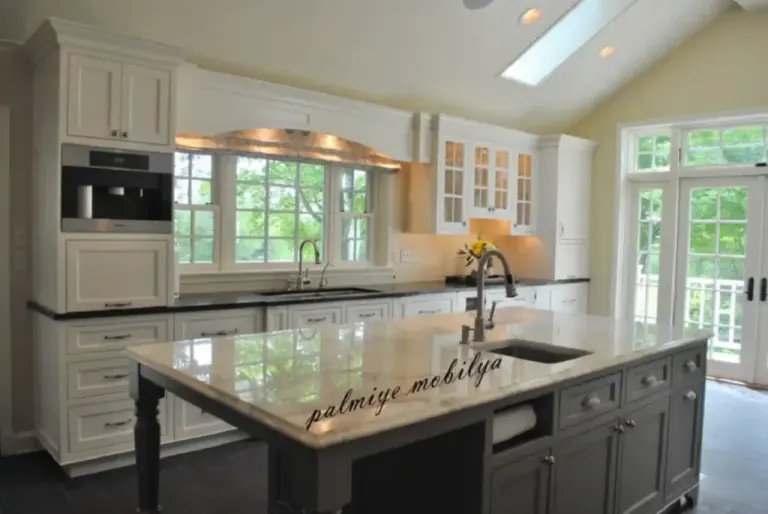
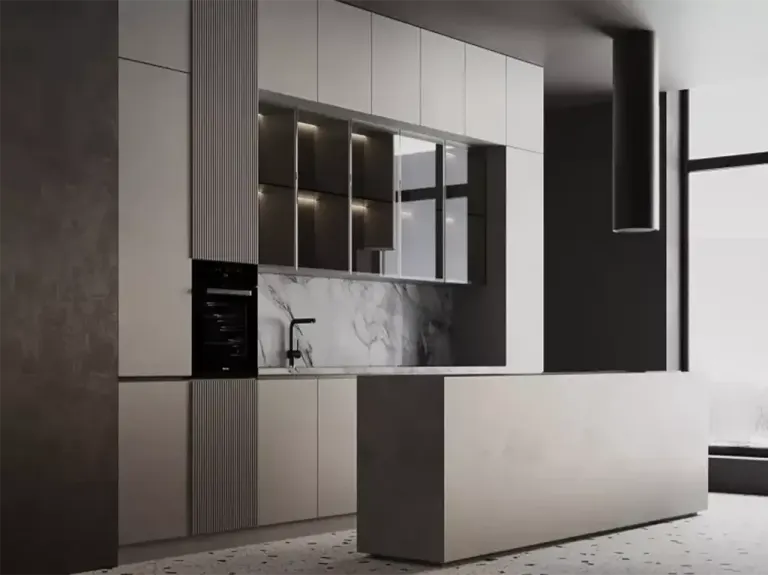
Positioned at the commercial crossroads linking European Union retail distribution networks, North American multi-family housing developers, high-growth emerging markets across Africa and Latin America, and Istanbul’s premier coastal luxury real estate corridor—spanning Sarıyer, Zekeriyaköy, İstinye, and Tarabya—Turkey’s cabinetry sector operates at extraordinary manufacturing velocity. Export factories across Bursa-İnegöl, Kayseri, Ankara, and İzmir increasingly deploy fleet-managed Automated Guided Vehicles (AGVs) and Autonomous Mobile Robots (AMRs) synchronized with Manufacturing Execution Systems (MES) to compress batch-size-one production cycles, while Turkish architectural importers and luxury developers bring ultra-bespoke European monolithic cast-mineral vanity suites and ducted downdraft culinary islands into Northern Istanbul’s gated villa estates.
Navigating the import and export of kitchen and bathroom cabinets in Turkey at an enterprise level leaves zero margin for uncoordinated factory work-in-process bottlenecks, punitive safeguard or countervailing duties in emerging export destinations, or customs tariff disputes over seamless cast-resin/ceramic monoblock vanity tops. When a Turkish exporter ships 50 containers of bathroom vanities to Egypt, South Africa, or Brazil, verifying bilateral Free Trade Agreement origin quotas and pre-shipment registration requirements prevents containers from being stranded at destination ports. Equally critical, balancing kitchen range-hood make-up air (taze hava beslemesi) inside airtight passive-house luxury residences in Istanbul prevents negative-pressure backdrafting and cabinet door whistling. This comprehensive technical manual examines AGV/AMR smart-factory intralogistics, monoblock vanity customs engineering, emerging-market trade-remedy defense, and airtight residential HVAC-cabinetry balancing across the import and export of kitchen and bathroom cabinets in Turkey.
1. AGV / AMR Smart-Factory Intralogistics & MES Synchronization in Turkey
As Turkish cabinet manufacturers scale custom OEM and multi-family project output while managing rising skilled-labor costs, leading plants in Bursa-İnegöl, Kayseri, and Gebze have transitioned from manual forklift material handling to fleet-managed Automated Guided Vehicles (AGVs) and LiDAR-guided Autonomous Mobile Robots (AMRs) integrated directly with factory MES (Manufacturing Execution Systems).
How Smart Intralogistics Eliminates Transit & Assembly Defects
1. Zero-Touch Buffer Transfer Between CNC, Edgebanding, and Spraying Cells:
• In conventional woodworking plants, manual pallet-jack transfers between beam saws, 5-axis CNC routers, and lacquer lines cause 3% to 5% panel corner chipping and surface micro-scratching—defects that often go unnoticed until final assembly on an overseas construction site.
• In Industry 4.0 Turkish cabinetry factories, roller-deck AMRs dock automatically with Homag and Biesse conveyor outfeeds, transferring barcoded panel stacks into climate-stabilized buffer towers and feeding robotic spray booths without human edge contact.
2. Dynamic Order-Consolidation Kitting at the Packaging Line:
• Because a single bespoke kitchen comprises 18 to 35 distinct carcass boxes, drawer fronts, Gola aluminum rails, and hardware kits, MES-orchestrated AMRs deliver every sub-component belonging to a specific apartment unit simultaneously to automated carton-erecting and orbital stretch-wrapping cells—guaranteeing zero missing boxes inside export containers.
2. Customs Tariff Engineering for Monoblock Vanity Tops & Integrated Sink Systems
A recurring customs classification challenge in the import and export of kitchen and bathroom cabinets in Turkey involves seamless monoblock bathroom vanities—where a cast-acrylic solid-surface, gel-coated cast-marble (cultured marble), or thermoformed quartz top with a molded integral sink bowl is shipped either bonded to or packaged alongside a wooden or PVC base cabinet.
Harmonized System Classification Matrix for Integrated Vanity Assemblies
Vanity & Basin Assembly Configuration Governing WCO / Turkish Customs Analysis Correct HS / G.T.İ.P. Classification Tariff & Regulatory Implications
Wooden or PVC Vanity Base Packaged Together with Custom-Molded Cast-Marble / Acrylic Monoblock Sink Top (1:1 Retail or Project Set) GRI 3(b) Essential Character: The cabinetry base provides structural support, primary storage utility, and dominant value; the custom-fitted monoblock basin top functions exclusively as the cabinet’s top closure. HS 9403.60.90 (Wooden base) or HS 9403.70.00 (PVC polymer base). Enters EU at 0% duty (A.TR) and USA at 0% MFN duty; avoid listing the integrated top as a separate standalone sink unless shipped separately.
Standalone Cast-Marble, Gel-Coat, or Acrylic Solid-Surface Vanity Top with Integrated Bowl (Shipped Without Base Cabinet) GRI 1 & Chapter 39 / 68 Rules: Cast polymer-mineral composite sanitary ware is classified by constituent material rather than as furniture parts. HS 3922.10.00 (Acrylic/gel-coat plastic washbasins) or HS 6810.99.00 (Cast-stone/cultured marble articles). Subject to sanitaryware duty tiers and TAREKS building-material conformity checks when imported into Turkey.
Pedestal or Wall-Hung Vitreous China Ceramic Washbasin Packaged with Small Decorative Under-Trap Shroud GRI 3(b) Reverse Application: Where a full-size vitreous ceramic basin is wall-bolted independently and the small wood shroud merely conceals the siphon without load-bearing storage, the ceramic basin imparts essential character. HS 6910.10.00 (Porcelain/vitreous china sanitary fixtures). Higher MFN and İGV (Additional Customs Duty) rates apply on Turkish imports compared to wooden furniture; structural drawings must clearly prove load-bearing cabinet status.
3. Trade-Remedy Defense & Safeguard Duty Navigation in Emerging Export Markets
Beyond mature Western markets, Turkish exporters active in the import and export of kitchen and bathroom cabinets in Turkey ship substantial volumes to Egypt, Iraq, Libya, South Africa, Brazil, and India. Several of these jurisdictions enforce strict import registration decrees, safeguard tariffs, or local-content rules on finished furniture.
Overcoming Non-Tariff & Safeguard Barriers Abroad
1. Egypt — GOEIC Decree 43 Registration & ACID CargoX Electronic Filing:
• To export kitchen and bathroom cabinets to Egypt at 0% preferential customs duty under the Turkey-Egypt Free Trade Agreement (EUR.1 / EUR-MED), the Turkish manufacturer (or brand owner) must maintain active factory registration with Egypt’s General Organization for Export and Import Control (GOEIC) under Decree 43/2016, and obtain an ACID (Advance Cargo Information Declaration) number uploaded via the blockchain CargoX portal at least 48 hours before vessel departure from Mersin or İzmir.
2. South Africa & SACU — ITAC Rebate & Preferential Origin Verification:
• Exports to South Africa (Durban / Cape Town) face MFN furniture tariffs (~20%) unless structured under specialized project rebate provisions or regional SACU distribution frameworks, requiring strict SABS formaldehyde and electrical LED compliance certificates.
3. Brazil & Mercosur — Siscomex NCM Classification & Anti-Dumping Scrutiny:
• Shipments into Santos or Paranaguá require exact 8-digit NCM tariff alignment (9403.40.00 / 9403.60.00), legalized Certificates of Origin, and ISPM 15 fumigation/heat-treatment verification—as Brazilian agricultural customs (MAPA) enforces zero-tolerance wood-packaging inspections.
4. Airtight Luxury Residence HVAC & Downdraft Extractor Balancing in Istanbul
On the high-end domestic and luxury-import front of the import and export of kitchen and bathroom cabinets in Turkey, contemporary passive-house villas and high-rise penthouses in Northern Istanbul (Sarıyer, Zekeriyaköy, İstinye, Tarabya) and Levent/Etiler feature triple-glazed airtight building envelopes paired with high-capacity 900–1,200 m³/h island downdraft extractors integrated inside imported European culinary islands.
Preventing Negative-Pressure Vacuum & Door Whistling
• Motorized Make-Up Air Dampers Interlocked with Extractor Hoods: When a high-CFM downdraft hood extracts 1,000 m³ of air per hour inside an airtight villa without dedicated make-up air, indoor barometric pressure drops rapidly—causing cabinet doors to slam, fireplace flues to backdraft smoke, and whistling air leaks around window gaskets.
• Cabinetry-Integrated Make-Up Air Plenums: Luxury architectural fit-out engineers in Istanbul route an insulated 200mm–250mm motorized fresh-air supply duct through the kitchen island’s rear plinth cavity—linked via a current-sensing relay to the extractor fan so tempered outdoor make-up air enters silently through recessed architectural toe-kick grilles whenever the hood operates above Speed 2.
5. Frequently Asked Questions (AGV Smart Factories, Monoblock Vanities & Egypt/Emerging Exports)
How do AGVs and AMRs improve the quality of kitchen and bathroom cabinets exported from Turkey?
Automated Guided Vehicles (AGVs) and Autonomous Mobile Robots (AMRs) eliminate manual forklift handling between CNC routers, edgebanders, and lacquer lines—cutting panel corner chipping and micro-scratching by 3% to 5% while guaranteeing 100% SKU order completeness during container kitting.
How are bathroom vanities with molded seamless cast-marble or acrylic sink tops classified for customs?
When packaged together as a complete 1:1 vanity unit where the wooden or PVC base cabinet provides structural support and storage, the set is classified under HS 9403.60.90 (wooden) or HS 9403.70.00 (PVC) under GRI 3(b). Standalone molded tops shipped without cabinets fall under HS 3922.10 or HS 6810.99.
What registrations are mandatory before shipping Turkish kitchen or bathroom cabinets to Egypt?
Exporters must register their factory with Egypt’s GOEIC (Decree 43), obtain an ACID number via CargoX at least 48 hours prior to vessel sailing from Turkey, and issue an EUR.1 / EUR-MED certificate to secure 0% preferential duty under the Turkey-Egypt FTA.
Why do luxury islands with powerful downdraft extractors require motorized make-up air plenums in airtight villas?
High-output downdraft extractors (900–1,200 m³/h) create negative indoor air pressure inside airtight modern villas, causing cabinet doors to slam and flues to backdraft unless interlocked motorized fresh-air supply ducts are integrated into the island plinth cavity.